
Why Florida Diagnostic Imaging Matters for Your Health
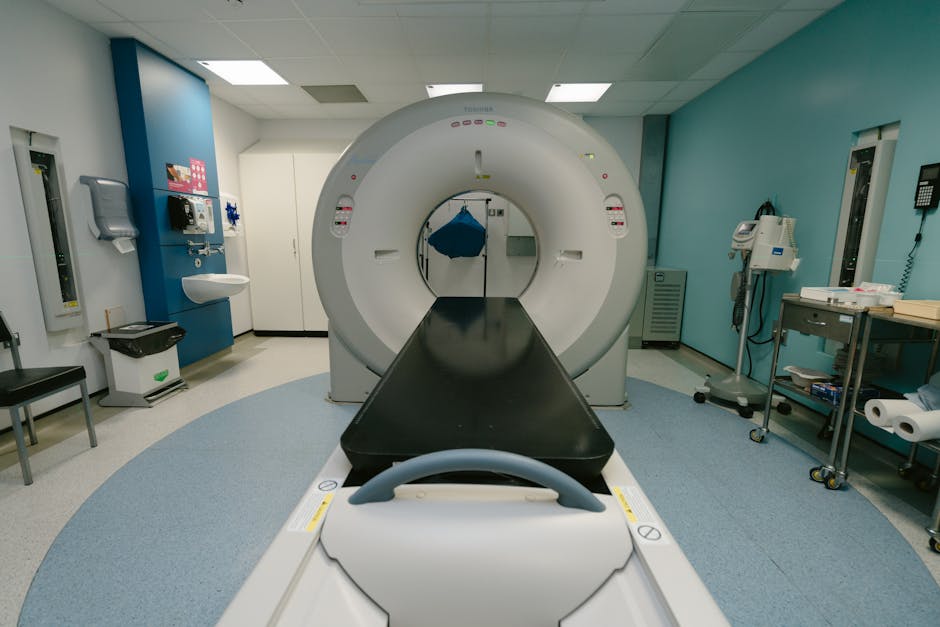
Florida diagnostic imaging services are essential medical tools that help doctors see inside your body to diagnose injuries, diseases, and other health conditions. Whether you need an MRI, CT scan, mammogram, or ultrasound, Florida offers hundreds of accredited imaging centers across the state—from Miami to Jacksonville to Panama City.
Quick Overview: What You Need to Know
- Services Available: MRI, CT scans, 3D mammography, ultrasound, X-rays, nuclear medicine, and PET scans
- Cost Savings: Outpatient centers typically charge 40-60% less than hospitals
- Scheduling: Many centers offer same-day appointments and online booking
- Results: Most facilities provide reports to your doctor within 24 hours
- Regulation: All centers must be licensed by the Florida Agency for Health Care Administration (AHCA)
- Staff: Technologists must be licensed, certified, and registered in Florida
Florida has specific requirements for diagnostic imaging providers. According to Florida Statutes Section 456.053, all group practices and sole providers accepting outside referrals for diagnostic imaging services must report annually to AHCA. The state also requires health care clinics to maintain proper licensing to ensure patient safety and quality care.
Why the right imaging center matters: The technology, staff qualifications, and accreditations at an imaging center directly impact your diagnosis and experience. For example, a 3 Tesla MRI can complete scans in as little as 5-15 minutes, while a 128-slice CT scanner delivers clearer images with less radiation. These differences are crucial when your health is on the line.
As Zita Ewert, I’ve spent years helping Radiology technologists and imaging professionals across Florida maintain their certifications through continuing education. Understanding the latest advances in Florida diagnostic imaging technology, what makes a quality imaging center, and what credentials the professionals should have helps you make informed decisions about your care.
Understanding the Landscape of Florida Diagnostic Imaging
When it comes to your health, understanding where to go for diagnostic imaging can feel like navigating a maze. Fortunately, Florida has a robust network of imaging facilities, each with unique advantages.
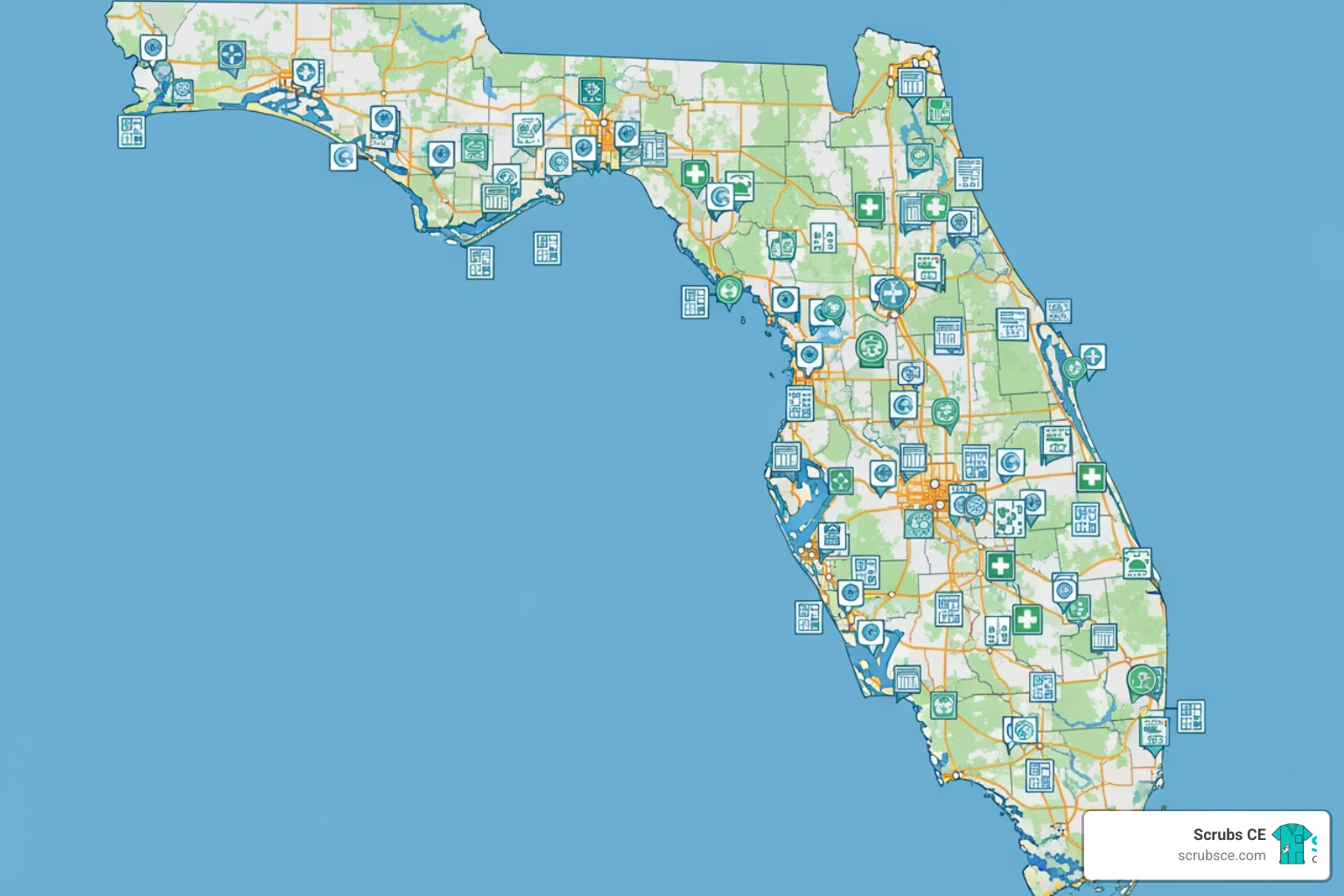
From busy urban centers to quieter suburban areas, you’ll find a variety of options. These regulated facilities differ in services, technology, and pricing. Let’s explore the options.
Common Diagnostic Imaging Services Available
Florida diagnostic imaging centers offer a comprehensive suite of services designed to provide your doctor with detailed insights into your body’s inner workings. Here’s a look at the most common types you’ll encounter:
- Magnetic Resonance Imaging (MRI): Uses magnets and radio waves to create detailed images of soft tissues, organs, and bones. It is ideal for examining the brain, spinal cord, and joints.
- Computed Tomography (CT) Scans: Uses specialized X-rays to create cross-sectional images of the body. It is excellent for visualizing bones, soft tissues, and blood vessels, especially for chest or abdominal conditions and injuries.
- 3D Mammography (Tomosynthesis): An advanced mammogram that creates a 3D image of the breast. It improves cancer detection, particularly in women with dense breast tissue.
- Ultrasound: Uses high-frequency sound waves for real-time images of organs and soft tissues. Commonly used in obstetrics, cardiology, and for abdominal imaging.
- X-Rays: The most common imaging form, using radiation to produce images of bones. It is quick and often used for fractures and lung conditions.
- Positron Emission Tomography (PET) Scans: Uses a radioactive tracer to show metabolic activity, helping to identify diseases like cancer and heart conditions at a cellular level. Often combined with a CT scan.
- Nuclear Medicine: Uses small amounts of radioactive material to visualize organ function. Common uses include bone scans and cardiac stress tests.
Outpatient Centers vs. Hospitals: What’s the Difference?
When your doctor orders an imaging study, you typically have two main choices: a hospital-based imaging department or a standalone outpatient diagnostic imaging center. While both provide essential services, there are some key differences that might sway your decision.
Outpatient centers are designed for efficiency and patient comfort, often providing hospital-level diagnostic Radiology services in a safe outpatient setting with several distinct advantages:
- Cost Savings: Outpatient centers typically offer prices 40-60% lower than hospitals. Many also provide special pricing for self-pay patients, making care more accessible.
- Convenience: These centers are easier to access, with dedicated parking, simple check-in, and a more relaxed environment.
- Scheduling and Wait Times: Many centers offer same-day scheduling, online booking, and faster service, reducing the wait for your scan.
- Focused Experience: Specializing only in imaging allows for a streamlined, patient-focused experience without the bustle of a hospital.
While hospitals are equipped for emergencies and complex inpatient care, outpatient centers are excellent for routine or non-urgent diagnostic needs, providing quality care without the higher costs or potential delays.
The Role of the Florida Agency for Health Care Administration (AHCA)
The Florida Agency for Health Care Administration (AHCA) plays a crucial role in ensuring the safety and quality of healthcare services across the state, and Florida diagnostic imaging centers are no exception. Think of AHCA as the watchful guardian of healthcare standards.
AHCA is responsible for:
- Licensing and Regulation: AHCA licenses all diagnostic imaging centers, ensuring they meet strict operational and safety standards. Patients can use AHCA’s online portal to find a licensed facility in Florida.
- Reporting Requirements: Per Section 456.053, Florida Statutes, providers must report annually to AHCA for transparency and oversight.
- Health Care Clinic Act: This act requires all health care clinics, including those offering diagnostic services, to be licensed by AHCA, ensuring high standards of care.
- Patient Safety Oversight: AHCA actively monitors facilities, investigates complaints, and enforces regulations to protect patients. Providers can contact the AHCA licensing office for updates.
This robust regulatory framework means that when you choose a Florida diagnostic imaging center, you can be confident that it has met stringent state requirements designed to safeguard your health and well-being.
The Technology Behind the Image: What to Look For
The world of diagnostic imaging is constantly evolving, with new technologies emerging to provide clearer, faster, and safer scans. When choosing a Florida diagnostic imaging center, understanding the equipment they use can make a real difference in your diagnostic accuracy and overall experience.
We’re not just talking about bigger machines; we’re talking about smart technology that improves every aspect of your scan, from patient comfort to the precision of the images your doctor receives.
Advanced Imaging Technology and Its Benefits
Today’s cutting-edge imaging technology offers significant advantages over older equipment. Here are some of the stars of the show:
- 3 Tesla MRI: A 3 Tesla (3T) MRI uses one of the strongest magnets available to capture highly detailed images in a fraction of the time of older machines. The benefits are clear:
- Faster Scan Times: Scans can be completed in just 5-15 minutes, reducing patient anxiety and time spent in the machine.
- Higher Image Quality: The powerful magnet produces images with superior clarity, enabling more accurate diagnoses by revealing subtle abnormalities.
- 128-Slice CT Scanners: A 128-slice CT scanner is a game-changer, acquiring more detailed images faster.
- Faster Scan Times: A full CT exam can take less than 5 minutes, which is critical in emergencies or for patients who have trouble staying still.
- Lower Radiation Dose: Advanced scanners are designed to minimize radiation exposure, enhancing patient safety.
- AI-Enabled Ultrasound Systems: Modern ultrasound systems use AI to improve image clarity, automate measurements, and assist with interpretation, leading to more precise diagnoses.
These advanced technologies aren’t just fancy gadgets; they’re tools that lead to quicker, more comfortable, and ultimately more accurate diagnoses, getting you on the path to recovery faster.
Specialized Florida diagnostic imaging: A Closer Look at Mammography
For women’s health, mammography is a cornerstone of early breast cancer detection. In Florida diagnostic imaging centers, you’ll find specialized services that cater to both routine screenings and more in-depth evaluations.
It’s important to understand the difference between the two main types:
- Screening Mammograms: A routine annual exam for women without symptoms, aimed at early detection of breast changes.
- Diagnostic Mammograms: A more focused exam ordered to investigate a specific symptom (like a lump) or an area of concern found on a screening mammogram.
Modern mammography has been revolutionized by technology, particularly 3D Tomosynthesis:
- 3D Tomosynthesis Benefits: Also known as 3D mammography, this technology takes multiple X-ray images from different angles to create a clear, 3D view of the breast. The benefits are significant:
- Better Cancer Detection: It is more effective at detecting breast cancer than 2D mammography, especially in women with dense breast tissue.
- Reduced Callbacks: The clearer images reduce the need for follow-up appointments due to inconclusive results, saving patients from anxiety and extra visits.
- Computer-Aided Detection (CAD): This software acts as a “second pair of eyes” for the radiologist by analyzing images and highlighting suspicious areas to improve detection rates.
- Patient Comfort Features: Many centers now use features like auto-compression, which optimizes image quality while minimizing the discomfort often associated with mammograms.
Choosing a center that offers 3D mammography with these advanced features can provide greater peace of mind and more accurate results for your breast health.
The Patient Experience: From Scheduling to Results
At the heart of quality Florida diagnostic imaging is the patient experience. It’s not just about the technology; it’s about how you’re treated from the moment you consider making an appointment until you receive your results. A positive experience encompasses ease of scheduling, affordability, comfort, safety, and clear communication.
Scheduling, Wait Times, and Affordability
Let’s face it, nobody enjoys waiting for medical appointments. Florida diagnostic imaging centers are increasingly focused on making the process as smooth and stress-free as possible.
- Online Self-Scheduling: Many centers offer online booking, allowing you to schedule an appointment 24/7 without a phone call.
- Same-Day and Next-Day Appointments: To reduce wait times, many facilities offer same-day, next-day, evening, and weekend appointments.
- Insurance and Pricing: Reputable centers assist with insurance verification and offer transparent self-pay pricing, which is often 40-60% less than hospital rates. Always request a price estimate.
- Personal Injury and Workers’ Comp: Specialized centers can manage the imaging and documentation needs for personal injury and workers’ compensation cases, often coordinating with attorneys and case managers.
Ensuring Comfort, Safety, and Privacy
Your well-being extends beyond just the scan itself. Florida diagnostic imaging centers prioritize your comfort, safety, and the privacy of your health information.
- Patient Comfort: Quality centers focus on creating a clean, organized, and relaxed environment. Attentive staff and comfort-enhancing features are part of this commitment.
- Safety Protocols: Imaging centers follow strict safety and cleaning protocols to protect all patients. This includes improved screening, thorough disinfection between appointments, and other measures to ensure a safe environment.
- Medical Records and Privacy: Your health information is protected under the Health Insurance Portability and Accountability Act (HIPAA). Centers have secure “Release of Information” (ROI) processes to share your records when needed. Understanding data privacy policies is important for all healthcare interactions.
What Patients Are Saying
Patient testimonials consistently highlight what makes a Florida diagnostic imaging center stand out. Feedback often praises the professionalism and efficiency of the staff, from the front desk to the billing specialists. Patients frequently note the cleanliness of the facilities and, most importantly, the caring and compassionate nature of the technologists. Many share stories of how a technologist’s kindness put them at ease during a stressful procedure, turning an anxious appointment into a positive experience.
Quality and Professional Standards in Florida Radiology
Behind every clear image and accurate diagnosis in Florida diagnostic imaging is a commitment to quality and professional excellence. This commitment is upheld through rigorous accreditations for facilities and stringent continuing education requirements for the dedicated professionals who perform and interpret your scans.
Key Accreditations for Florida diagnostic imaging Centers
Accreditations are like gold stars for diagnostic imaging centers, signaling that they meet the highest standards of quality and patient care. When you’re choosing a facility, look for these key accreditations:
- American College of Radiology (ACR): ACR accreditation is a voluntary but highly respected gold standard. It signifies that a facility has passed a rigorous review of its staff qualifications, equipment, and quality control procedures, meeting nationally accepted standards of care.
- The Joint Commission: This non-profit accredits thousands of healthcare organizations. Its seal of approval is a mark of quality and safety, indicating a facility meets strict performance standards.
What Accreditation Means for Patients: For you, accreditation means peace of mind. It ensures the facility’s equipment is safe, the staff is qualified, and best practices for image quality and patient safety are followed. Choosing an accredited Florida diagnostic imaging center means choosing a facility vetted for excellence.
The Experts Behind the Scan: Radiology Technologists
While the advanced machines get a lot of attention, the true magic of diagnostic imaging happens through the skilled hands and keen eyes of the professionals.
- Board-Certified Radiologists: These are medical doctors who specialize in interpreting medical images. After extensive training, they pass rigorous board certification exams. They analyze your scan and provide a detailed report to your doctor.
- Licensed Technologists: These are the highly skilled professionals who operate the imaging equipment, position you for the scan, and ensure high-quality images are captured. In Florida, all technologists must be licensed, certified, and registered.
- To work in Florida, technologists often hold ARRT Certification, demonstrating they meet national standards for competence.
- If you’re curious about the path these professionals take, our Florida X-ray Tech guide offers a comprehensive look at the requirements and career options.
- The Technologist’s Role in Your Care: Beyond just operating machines, technologists play a vital role in your comfort and safety. They explain the procedure, answer your questions, and ensure you’re as relaxed as possible during the scan. Their compassionate approach, as highlighted in patient testimonials, can make a significant difference in your overall experience.
Continuing Education for Florida’s Radiology Professionals
The field of Radiology is dynamic, with new technologies and techniques emerging constantly. To ensure that Florida diagnostic imaging professionals remain at the forefront of their field, continuing education (CE) is not just encouraged—it’s a requirement for license renewal.
- State License Renewal: In Florida, licensed Radiology professionals are required to complete continuing education credits to renew their licenses. This ensures they stay updated with the latest advancements, best practices, and safety protocols.
- 12 CE Credit Requirement: Florida requires 12 CE credits for license renewal.
- Technical vs. Personal Credits: The state specifies that credits must be primarily technical, focusing on the science and practice of Radiology, though a small number of personal development credits may be allowed.
- Importance of Lifelong Learning: This continuing education requirement underscores the importance of lifelong learning in healthcare. It ensures that the professionals performing your scans are always equipped with the most current knowledge and skills, contributing directly to the quality and safety of your care. Meeting these vital requirements is essential for every technologist in the state.
- Finding Florida Radiology CE Courses: For professionals looking to fulfill these requirements, resources like Find Florida Radiology CE courses offer a range of approved courses, often with the convenience of online learning and automatic submission of CEU information to the state.
This dedication to ongoing learning ensures that the experts in Florida diagnostic imaging are always at their best, providing you with the highest standard of care.
Frequently Asked Questions about Florida Diagnostic Imaging
We know you might have a few lingering questions as you steer your diagnostic imaging needs. Here are some of the most common ones we hear:
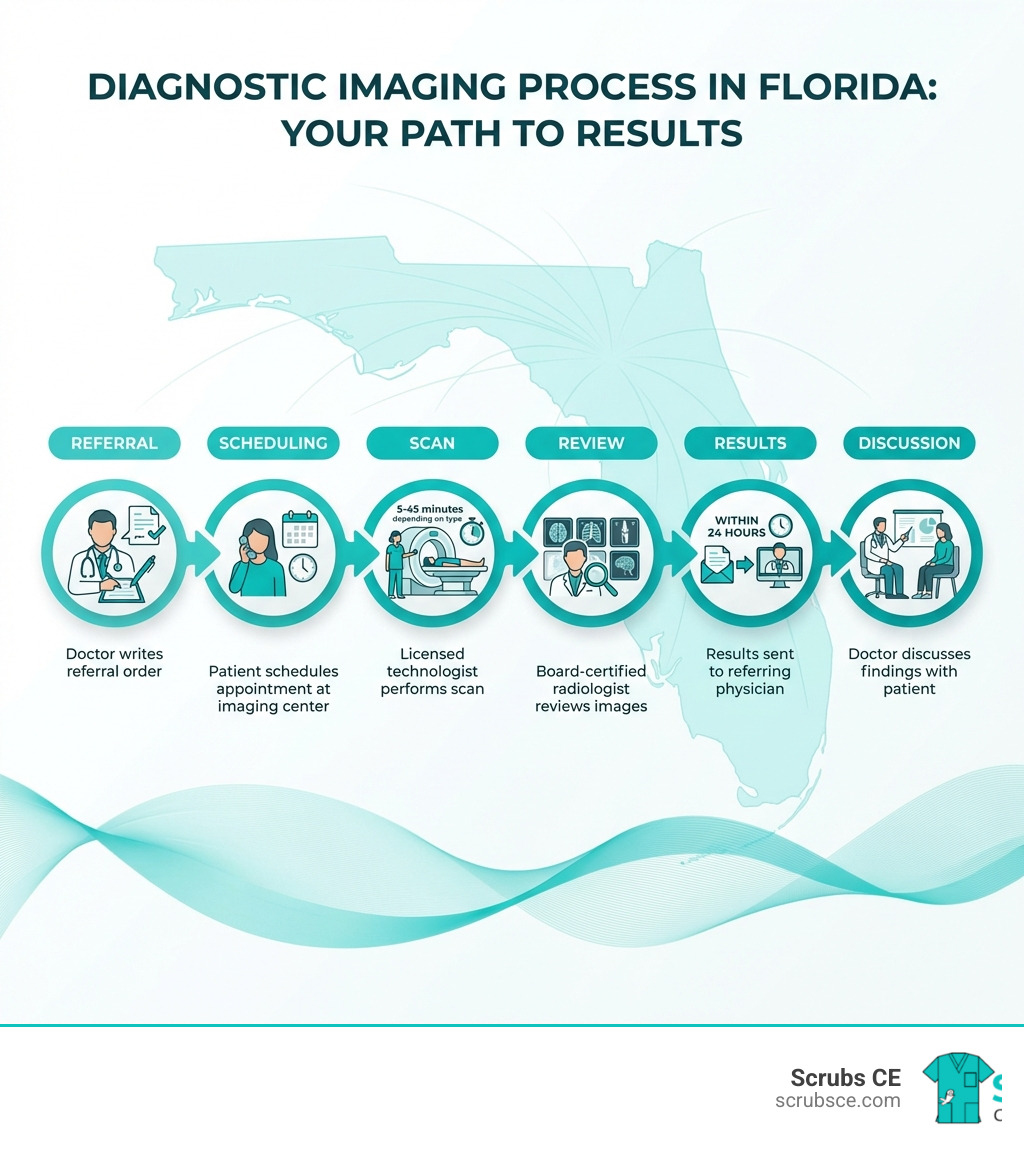
Do I need a doctor’s referral for a diagnostic imaging scan in Florida?
Generally, yes. A doctor’s referral is required for most diagnostic imaging scans in Florida. This ensures you get the correct test, is necessary for insurance coverage, and confirms the scan is medically appropriate. While some exceptions like screening mammograms may exist, you should always confirm the requirements with the imaging center and your doctor’s office.
How quickly will my doctor get the results?
Most Florida diagnostic imaging centers provide results to your referring physician within 24 hours. A board-certified radiologist interprets your scan and sends a detailed report to your doctor. Your doctor will then discuss the findings with you. If you don’t hear back in a few days, follow up with your doctor’s office.
What should I bring to my appointment?
To ensure a smooth and efficient visit to your Florida diagnostic imaging center, we recommend bringing the following items:
- Doctor’s Order/Referral: The official request for your scan.
- Photo ID: For patient verification.
- Insurance Card(s): For billing and claims processing.
- Medication List: Especially important if your procedure involves contrast dye.
- Relevant Prior Imaging: For comparison purposes.
Also, be sure to follow any pre-exam instructions you were given, such as fasting. Always confirm with the center what you need to bring.
Conclusion
Navigating your healthcare journey, especially when it involves diagnostic imaging, can feel overwhelming. But in Florida, you have access to a wealth of high-quality, patient-focused Florida diagnostic imaging services designed to make the process as smooth and effective as possible.
Key Takeaways:
- Comprehensive Services: Florida offers a full range of imaging, from MRI and CT to 3D mammography.
- Outpatient Advantages: Outpatient centers provide significant cost savings, convenience, and faster scheduling.
- Strong Regulation: AHCA licensing ensures all facilities meet high safety and quality standards.
- Advanced Technology: Top centers use 3T MRIs and 128-slice CTs for faster, clearer, and safer scans.
- Patient-Centered Care: The focus is on patient comfort, safety, and convenience.
- Expert Professionals: Care is provided by board-certified radiologists and licensed technologists committed to continuing education.
By understanding what to look for—accreditation, technology, and staff qualifications—you can make informed decisions that directly impact your health outcome.
We at Scrubs CE are proud to support these dedicated professionals through continuing education, helping them stay at the forefront of their field. We believe informed patients and skilled professionals lead to the best health outcomes. Take control of your health by choosing a quality imaging center.
If you’re inspired by the vital role these professionals play, you can learn more about becoming a licensed Radiology Technologist in Florida and join this essential healthcare field.
Recent Comments