
Why Cardiac Interventional Radiography Certification Matters for Your Career
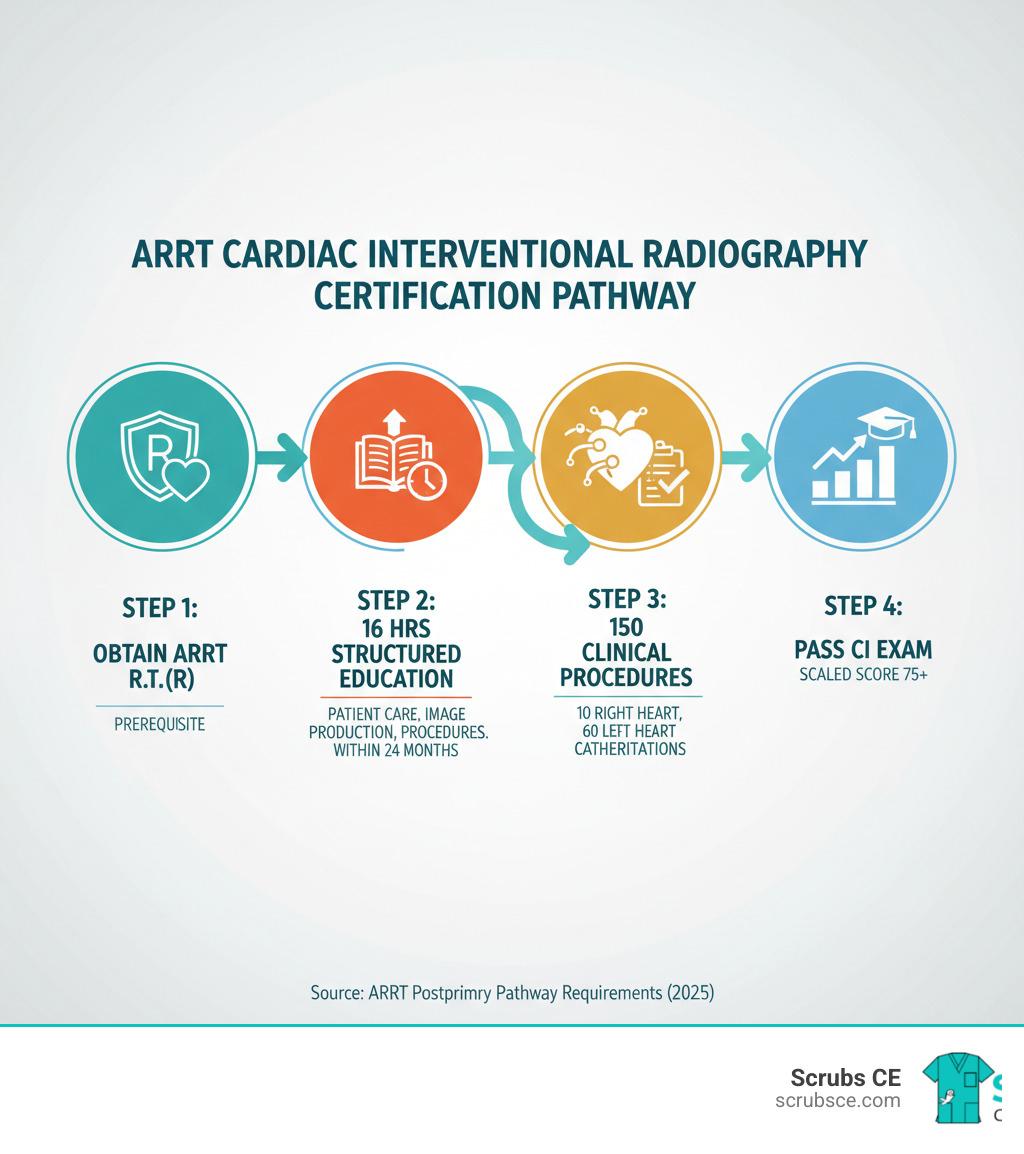
How to get certified in cardiac interventional radiography requires completing four essential steps through the ARRT postprimary pathway:
- Hold ARRT Radiography Certification – You must first be certified and registered as an R.T.(R)
- Complete 16 Hours of Structured Education – Within 24 months prior to application, covering Patient Care, Image Production, and Procedures
- Document 150 Clinical Procedures – Including at least 10 right heart catheterizations and 60 left heart catheterizations
- Pass the CI Exam – Score 75 or higher on the 165-question examination
The demand for cardiac interventional radiographers continues to grow as minimally invasive heart procedures become increasingly common. These specialized technologists work alongside physicians in cardiac catheterization labs, using sophisticated fluoroscopic equipment to assist with life-saving procedures like angioplasty, stenting, and ablations.
The journey to certification might seem complex, but the American Registry of Radiologic Technologists (ARRT) has created a clear postprimary pathway specifically for radiographers ready to specialize. The entire process typically takes several months to complete, depending on how quickly you can accumulate your clinical experience and structured education hours.
The investment pays off significantly. Certified cardiac interventional radiographers are among the most sought-after professionals in medical imaging, with strong job growth projections and competitive salaries. The certification validates your expertise in this critical specialty and opens doors to advanced career opportunities in hospitals, cardiac centers, and specialized procedural labs.
Whether you’re currently working in a cardiac cath lab and want to formalize your credentials, or you’re a radiographer looking to specialize in this dynamic field, understanding the certification requirements is your first step toward becoming an R.T.(CI)(ARRT).
Understanding the Role: What is a Cardiac Interventional Radiographer?
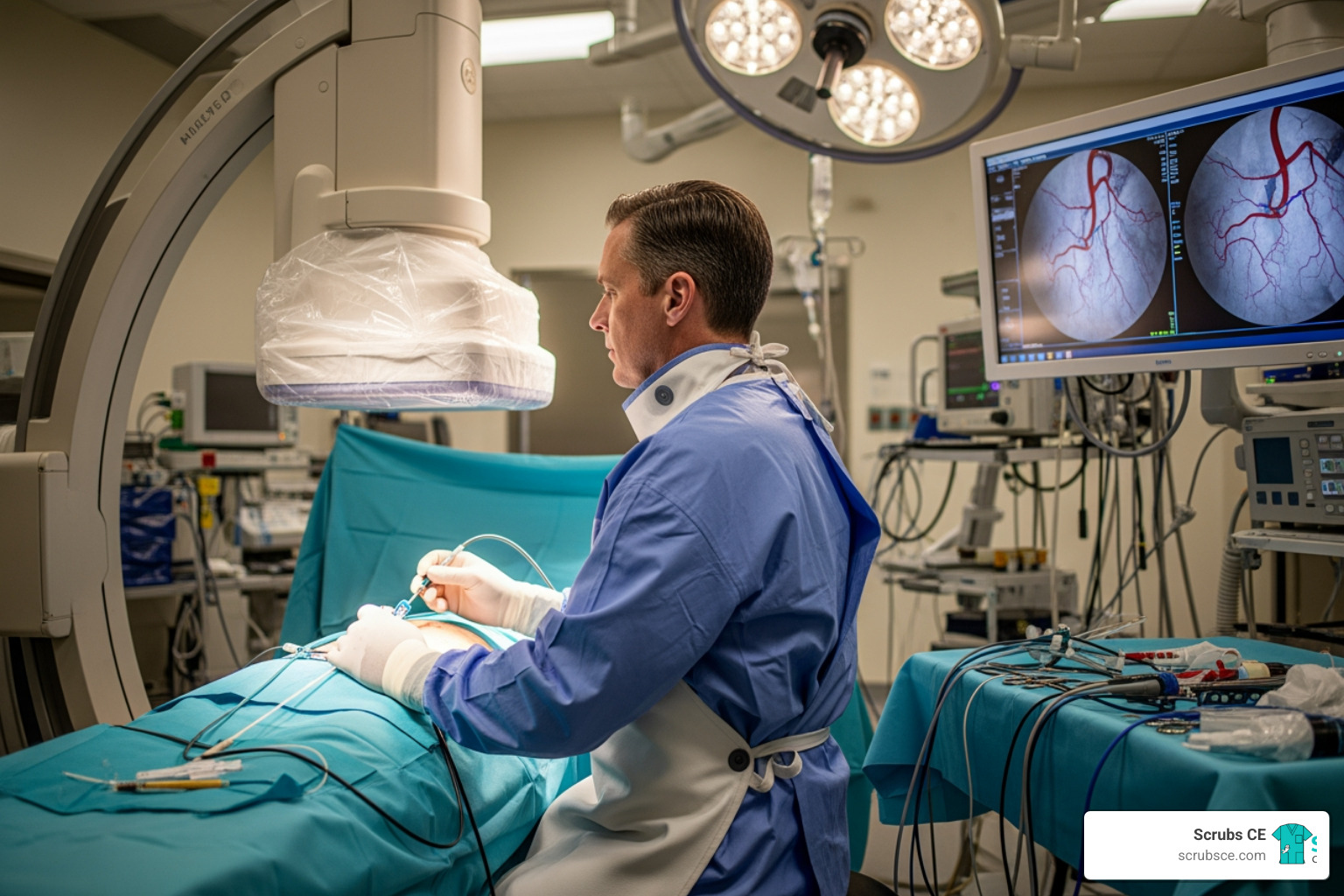
If you’re exploring how to get certified in cardiac interventional radiography, you’ll first want to understand what this rewarding career actually involves. Picture yourself in a high-tech cardiac catheterization lab, working alongside physicians as they perform delicate procedures on the heart—all without a single traditional surgical incision. That’s cardiac interventional radiography, and it’s as exciting as it sounds.
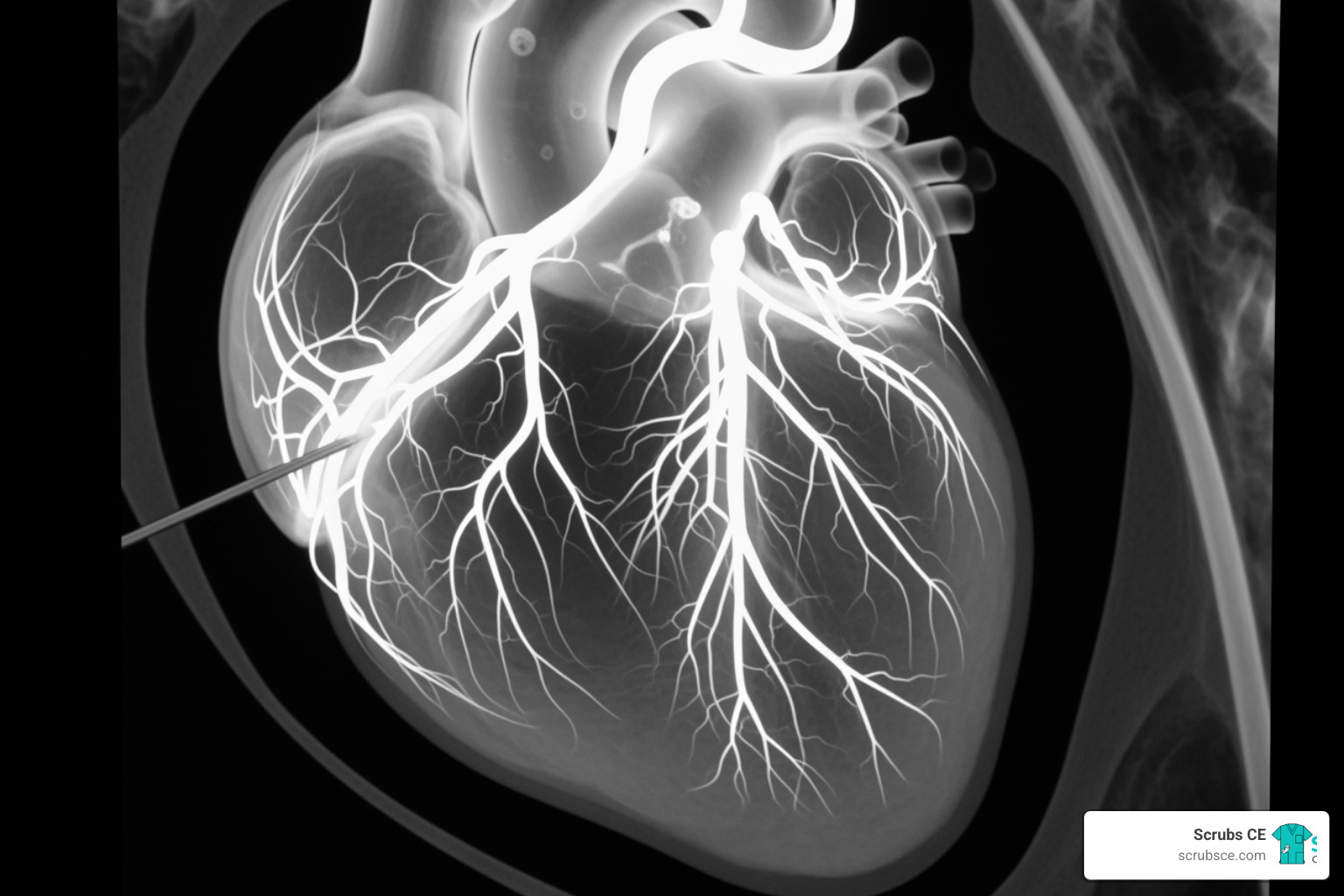
Cardiac interventional radiography is a specialized field that focuses exclusively on the heart and its complex network of blood vessels. As a cardiac interventional radiographer, you’ll assist physicians with minimally invasive, image-guided procedures to both diagnose and treat cardiovascular diseases. Your primary tool? Sophisticated fluoroscopic equipment that captures real-time, dynamic images of the beating heart and its surrounding vasculature.
These live images become the physician’s eyes inside the patient’s body, guiding catheters, wires, and other instruments with pinpoint precision. It’s truly remarkable work that combines cutting-edge technology with compassionate patient care. The best part? Patients benefit from shorter recovery times, minimal scarring, and often less sedation compared to traditional open-heart surgery.
The American Registry of Radiologic Technologists (ARRT) recognizes the expertise required for this specialty through their Certification: Cardiac Interventional Radiography, which validates your knowledge and skills in this demanding field.
Typical Job Duties and Career Outlook
No two days are quite the same in the cardiac cath lab, which is part of what makes this career so engaging. You’ll be an essential member of the cardiology team, working closely with cardiologists, nurses, and other technologists to deliver life-saving care.
Your daily responsibilities center around assisting physicians with various minimally invasive procedures. During angioplasty procedures, you’ll help guide catheters and wires to open narrowed coronary arteries, then assist with deploying stents to keep those arteries open. For thrombolysis cases, you’ll support the delivery of clot-dissolving medications directly to blockages. You might assist with ablations that use heat or cold energy to correct irregular heart rhythms, or help obtain tissue samples during cardiac biopsies.
Cardiac catheterizations form a substantial part of your work—you’ll need to document at least 10 right heart and 60 left heart catheterizations as part of your certification requirements. These procedures measure heart pressures, assess cardiac function, and use contrast media to visualize blood flow. You’ll also support electrophysiology procedures like pacemaker implants and advanced structural heart interventions such as transcatheter aortic valve replacement (TAVR).
Beyond the technical aspects, patient care is central to your role. You’ll prepare and assess patients, monitor vital signs throughout procedures, administer contrast media and medications, and maintain a sterile environment. One of your most important responsibilities is applying the ALARA principle (As Low As Reasonably Achievable) to minimize radiation exposure for patients—especially vulnerable populations like children—and staff.
The career outlook for cardiac interventional radiographers couldn’t be stronger. The Bureau of Labor Statistics projects 11% employment growth for cardiovascular technologists and technicians from 2023 to 2033—significantly faster than most occupations. This high demand for specialists stems from our aging population and the growing preference for minimally invasive cardiac procedures.
That demand translates directly into competitive compensation. Median salary expectations for related professions reached $80,850 in 2024, with certified specialists often earning at the higher end of the scale. The combination of strong job growth projections, excellent earning potential, and the satisfaction of making a real difference in patients’ lives makes cardiac interventional radiography an incredibly smart career choice.
The ARRT Postprimary Pathway: Your Roadmap to Certification
Think of the American Registry of Radiologic Technologists (ARRT) as the gold standard for credentialing in medical imaging and interventional procedures. They’re the organization that sets the bar for excellence in our field, and when you see those letters after someone’s name, you know they’ve met rigorous professional standards.
Here’s the thing about how to get certified in cardiac interventional radiography: it’s not an entry-level credential. The ARRT calls it a “postprimary pathway,” which is their way of saying you need to walk before you run. You’ll need to earn a primary ARRT certification first, then build upon that foundation with specialized training.
For cardiac interventional radiography specifically, that foundation is Radiography certification (R.T.(R)). This is your supporting discipline prerequisite, and it’s non-negotiable. Your R.T.(R) credential demonstrates you’ve mastered the fundamentals of radiologic principles, patient care, and radiation safety. Without these basics solidly in place, you simply can’t move forward into the complex world of cardiac interventional procedures. It makes sense when you think about it—you wouldn’t want someone guiding catheters through your heart who hadn’t first proven they understand the basics of imaging and patient safety.
There’s another important piece to this puzzle: ethics. The ARRT takes professional conduct seriously, and for good reason. You’ll need to comply with the ARRT Standards of Ethics throughout your career. These aren’t just bureaucratic hoops to jump through—they’re the principles that protect patients, maintain public trust, and uphold the integrity of our profession. Violations can derail your career, so take them seriously from day one.
The Three Pillars of Certification
Once you’ve got your R.T.(R) and you’re committed to ethical practice, the path forward rests on three essential pillars. Each one serves a specific purpose in preparing you for the responsibilities ahead.
Structured education gives you the theoretical knowledge you need. This isn’t just reading a textbook—it’s focused learning that covers the specific concepts, procedures, and technologies used in cardiac interventional radiography. You’ll dive deep into topics like patient care in the cath lab, image production techniques for cardiac procedures, and the various interventional procedures you’ll assist with.
Clinical experience is where theory meets reality. You can read about cardiac catheterizations all day long, but nothing replaces actually being there in the lab, hands-on, developing the muscle memory and judgment that comes from repetition. This pillar ensures you’ve performed the procedures enough times to be truly competent and confident.
The examination is the final hurdle. It’s your chance to demonstrate that you’ve absorbed all that education and successfully translated your clinical experience into comprehensive knowledge. Pass this, and you’ve proven you’re ready to practice at the highest level.
These three pillars work together beautifully. You can’t skip one and expect to be truly prepared. The ARRT has laid out every detail of these requirements in their Postprimary Eligibility Pathway Handbook. We can’t recommend strongly enough that you download this handbook and keep it handy throughout your certification journey. It’s your roadmap, answering questions before you even know to ask them.
How to Get Certified in Cardiac Interventional Radiography: Meeting ARRT Requirements
Now that we understand the foundational requirements, let’s dive into the specifics of meeting the ARRT’s structured education and clinical experience criteria. These are the practical components where you’ll build the specialized knowledge and skills necessary to become a certified cardiac interventional radiographer.

The ARRT has a meticulous process for documenting both your structured education and clinical experience. Thankfully, they provide an online postprimary tool that makes tracking everything straightforward. Think of it as your digital companion throughout this journey – it’ll help you stay organized and ensure you don’t miss any crucial documentation. You can access the tool for logging your clinical experience and structured education activities directly through the ARRT website.
Fulfilling the Structured Education Requirements
Your structured education is the academic foundation for your cardiac interventional radiography specialty. The ARRT requires a minimum of 16 hours of structured education, and here’s the catch – these hours must be completed within the 24 months immediately before you submit your application. So if you’re planning ahead, make sure your courses don’t expire before you’re ready to apply!
These aren’t just any continuing education credits. They need to be discipline-specific and cover three essential content categories. You’ll need at least one credit hour in each category: Patient Care (covering patient assessment, monitoring, contrast administration, medications, asepsis, and emergency care), Image Production (including imaging equipment, radiation protection, and image acquisition), and Procedures (the heart of the matter – diagnostic and interventional cardiac procedures, anatomy, pathophysiology, and complications).
Once you’ve met the minimum requirement in each category, you can distribute your remaining hours however you’d like among these three areas. The ARRT provides a detailed breakdown of specific topics in their official Structured Education Requirements document, which we highly recommend reviewing.
This is exactly where Scrubs CE can support your certification journey! We offer high-quality, self-paced online courses specifically designed to help you meet these structured education requirements on your schedule. Our courses like Cardiac Imaging The Requisites and Cardiac Catheterization Handbook provide the essential knowledge you need while ensuring your hours count toward your cardiac interventional radiography certification.
Documenting Your Clinical Experience
This is where theory meets practice – your hands-on time in the cardiac cath lab. The ARRT requires documented proof of at least 150 repetitions of cardiac interventional radiography procedures. But it’s not just about hitting that number. There are specific mandatory procedures you must complete to ensure you have comprehensive, real-world experience.
The most critical requirements focus on catheterization procedures. You’ll need to document a minimum of 10 right heart catheterizations and 60 left heart catheterizations. These numbers aren’t arbitrary – they reflect the core competencies you’ll need as a certified professional. Right heart catheterizations help assess pulmonary pressures and right-sided heart function, while left heart catheterizations are fundamental for evaluating coronary arteries and left ventricular function.
Beyond these specific minimums, your 150 total repetitions should include a variety of cardiac interventional procedures. This might encompass diagnostic angiograms, percutaneous coronary interventions, structural heart procedures, and other advanced techniques. The goal is to ensure you’re comfortable with the full spectrum of procedures you’ll encounter in your career.
The verification process is straightforward but important. Your supervising physician or department manager will need to verify your documented procedures, confirming that you performed them under appropriate supervision and met the required standards. Keep meticulous records as you go – it’s much easier than trying to reconstruct your experience months later when you’re ready to apply!
Introduction
How to get certified in cardiac interventional radiography requires completing four essential steps through the ARRT postprimary pathway:
- Hold ARRT Radiography Certification – You must first be certified and registered as an R.T.(R)
- Complete 16 Hours of Structured Education – Within 24 months prior to application, covering Patient Care, Image Production, and Procedures
- Document 150 Clinical Procedures – Including at least 10 right heart catheterizations and 60 left heart catheterizations
- Pass the CI Exam – Score 75 or higher on the 165-question examination
The demand for cardiac interventional radiographers continues to grow as minimally invasive heart procedures become increasingly common. These specialized technologists work alongside physicians in cardiac catheterization labs, using sophisticated fluoroscopic equipment to assist with life-saving procedures like angioplasty, stenting, and ablations.
The journey to certification might seem complex, but the American Registry of Radiologic Technologists (ARRT) has created a clear postprimary pathway specifically for radiographers ready to specialize. The entire process typically takes several months to complete, depending on how quickly you can accumulate your clinical experience and structured education hours.
The investment pays off significantly. Certified cardiac interventional radiographers are among the most sought-after professionals in medical imaging, with strong job growth projections and competitive salaries. The certification validates your expertise in this critical specialty and opens doors to advanced career opportunities in hospitals, cardiac centers, and specialized procedural labs.
Whether you’re currently working in a cardiac cath lab and want to formalize your credentials, or you’re a radiographer looking to specialize in this dynamic field, understanding the certification requirements is your first step toward becoming an R.T.(CI)(ARRT).
Understanding the Role: What is a Cardiac Interventional Radiographer?
Picture yourself in a state-of-the-art cardiac catheterization lab, working alongside a team of specialists to save a life—without a single surgical incision. That’s the rewarding role of a cardiac interventional radiographer.
Cardiac interventional radiography is a specialty focused exclusively on the heart and its blood vessels. As an imaging expert, you assist physicians during minimally invasive, image-guided procedures to diagnose and treat cardiovascular diseases.
Your primary tool is sophisticated fluoroscopic equipment that captures real-time images of the beating heart. These live images act as the physician’s eyes, guiding catheters and other instruments with precision. Your expertise in operating this equipment is critical to the success of these procedures. For patients, this means shorter recovery times, less pain, and minimal scarring compared to open-heart surgery.
The American Registry of Radiologic Technologists (ARRT) validates the specialized knowledge for this field through its Cardiac Interventional Radiography certification. The path to how to get certified in cardiac interventional radiography is a commitment to this demanding specialty, as described by the Department of Labor’s O*NET OnLine for the Certification: Cardiac Interventional Radiography credential.
Typical Job Duties and Career Outlook
As an essential member of the cardiology team, your days will be engaging and varied. Your responsibilities center on assisting with a wide range of cardiac procedures, including:
- Cardiac Catheterization: Performing right and left heart catheterizations to measure pressures, assess function, and visualize blood flow.
- Angioplasty and Stenting: Helping to open blocked coronary arteries and deploy stents.
- Ablations: Managing the imaging to guide procedures that correct dangerous heart rhythms.
- Structural Heart Procedures: Supporting advanced interventions like transcatheter aortic valve replacement (TAVR).
- Electrophysiology Procedures: Assisting with pacemaker and defibrillator implants.
Beyond the technical work, you are deeply involved in patient care. This includes preparing patients, monitoring vital signs, administering medications under physician direction, and maintaining a sterile environment. A critical responsibility is applying the ALARA principle (As Low As Reasonably Achievable) to minimize radiation exposure for patients and staff.
The career outlook is excellent. The Bureau of Labor Statistics projects 11% employment growth for cardiovascular technologists from 2023 to 2033, much faster than average. This growth is driven by an aging population and the increasing use of minimally invasive procedures.
This high demand translates to strong earning potential. The median salary for related professions was $80,850 in 2024, with certified specialists often earning at the higher end of the scale. The combination of job growth, competitive salary, and the satisfaction of making a difference makes this an outstanding career choice.
The ARRT Postprimary Pathway: Your Roadmap to Certification
Think of the American Registry of Radiologic Technologists (ARRT) as the gold standard for credentialing in medical imaging, interventional procedures, and radiation therapy. When you’re ready to specialize in an advanced area like cardiac interventional radiography, the ARRT offers what’s called a “postprimary pathway.” The name tells you everything you need to know—this is an advanced certification you pursue after you’ve already established yourself with a primary ARRT credential.
For how to get certified in cardiac interventional radiography, your starting point is absolutely essential: you must hold an ARRT certification and registration in Radiography (R.T.(R)). This isn’t just bureaucratic red tape—it’s about ensuring you have a rock-solid foundation in basic radiologic principles, patient care, and radiation safety before you dive into the complexities of cardiac procedures. You wouldn’t build the second story of a house without a strong first floor, right? Same principle here.
Now, there’s another crucial piece that goes beyond technical competence. The ARRT takes professional ethics seriously, and so should you. To earn and maintain your credentials, you must comply with the ARRT Standards of Ethics. These aren’t just words on paper—they’re the bedrock of our entire profession. They ensure patient safety, professional integrity, and public trust in what we do. Take them seriously, because violations can have real consequences for your career.
The Three Pillars of Certification
The pathway to becoming a certified cardiac interventional radiographer rests on three fundamental pillars. Each one is equally important, and together they ensure you’re truly ready for this specialized role.
Structured Education is your first pillar—this is where you gain the theoretical knowledge specific to cardiac interventional procedures. You need to understand the “why” behind everything you’ll be doing in the cath lab.
Clinical Experience is the second pillar, and this is where theory meets reality. You’ll document hands-on procedures to verify that you’ve actually performed the work and developed genuine competency. Book knowledge alone doesn’t make you a skilled technologist.
Examination is the final pillar—your comprehensive test that brings everything together. This exam evaluates whether you truly understand the field at the level required for certification.
What makes this approach so effective is how these three pillars work together. You’re not just memorizing facts or checking boxes. You’re building genuine expertise through education, proving it through clinical work, and validating it through examination. The ARRT has created a comprehensive Postprimary Eligibility Pathway Handbook that walks you through every detail of these requirements. We can’t stress enough how valuable this resource is—download it, read it thoroughly, and keep it handy throughout your certification journey. It’s your definitive roadmap to success.
How to Get Certified in Cardiac Interventional Radiography: Meeting ARRT Requirements
Meeting the ARRT’s structured education and clinical experience requirements is where you build the specialized knowledge and hands-on skills for your career as a certified cardiac interventional radiographer.
The ARRT provides an online postprimary tool for logging your clinical experience and structured education activities, which simplifies the documentation process and helps you stay organized.
Fulfilling the Structured Education Requirements
This is the academic component of your certification. The ARRT requires a minimum of 16 hours of structured education completed within the 24-month period immediately before you submit your application. These hours must be specific to cardiac interventional radiography.
The credits must be distributed across three essential content categories, with at least one credit in each:
- Patient Care: Covers patient assessment, monitoring, contrast administration, medications, and sterile technique.
- Image Production: Focuses on imaging equipment, radiation protection, and image acquisition.
- Procedures: Explores the anatomy, pathophysiology, and techniques for diagnostic and interventional cardiac procedures.
For a complete list of topics, review the ARRT’s official Structured Education Requirements document.
Scrubs CE helps you meet these requirements on your schedule. Our self-paced online courses, like Cardiac Imaging The Requisites and Cardiac Catheterization Handbook, provide the essential knowledge you need to fulfill your structured education hours.
Documenting Your Clinical Experience
This is where you prove your hands-on competency. The ARRT requires documented proof of at least 150 procedure repetitions in cardiac interventional radiography, with specific mandatory procedures to ensure a well-rounded skill set.
The most critical requirements are a minimum of 10 right heart catheterizations and 60 left heart catheterizations. These core procedures are fundamental to diagnosing and treating cardiac conditions. Beyond these minimums, you will document a variety of other procedures, such as diagnostic angiography, angioplasty, and electrophysiology interventions.
Each procedure must be verified by a qualified supervisor (e.g., a physician or another R.T.(CI)) who can attest to your competency. You will use the ARRT’s online system to record the date, procedure type, and verification for each repetition.
A practical tip: Document your procedures consistently, such as on a weekly basis. This makes the process manageable and helps you track your progress toward meeting the requirements. The goal of how to get certified in cardiac interventional radiography is to develop genuine competency, and the ARRT’s requirements are designed to ensure you are fully prepared for this advanced role.
Recent Comments