
Mammography Mastery: Achieving Your ARRT Certification
Your Path to ARRT Mammography Certification
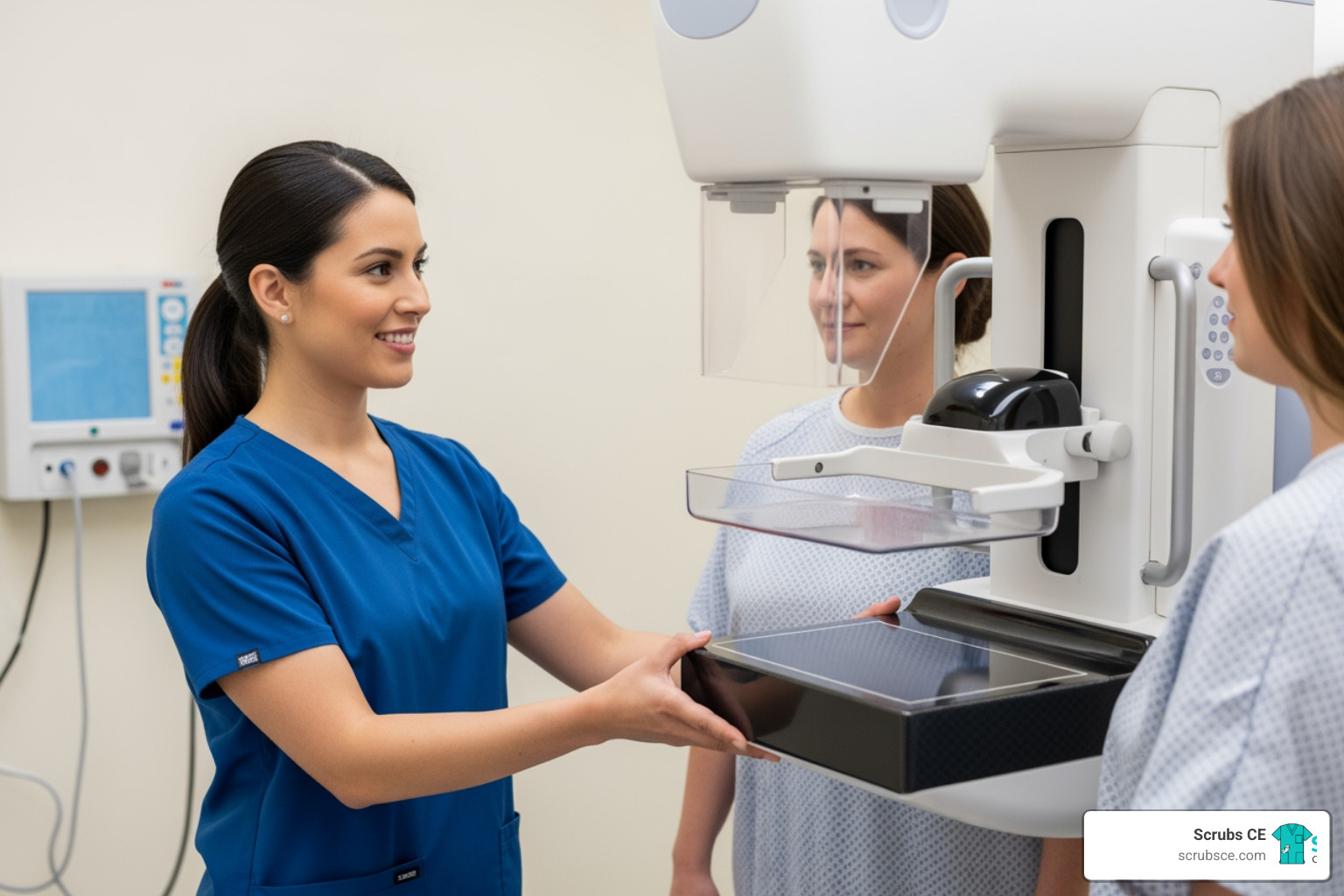
If you’re looking to advance your career in breast imaging, ARRT certification mammography is a crucial credential. It shows you’re ready to provide top-notch patient care. Here’s a quick look at what it entails:
- What is it? This is a specialized, postprimary certification for radiologic technologists who perform mammographers. It means you meet high national standards.
- Why is it important? Many employers require this certification. It also boosts your skills and confidence, signaling your commitment to excellent patient care. Mammography is vital; it has reduced breast cancer deaths by almost one-third since 1990.
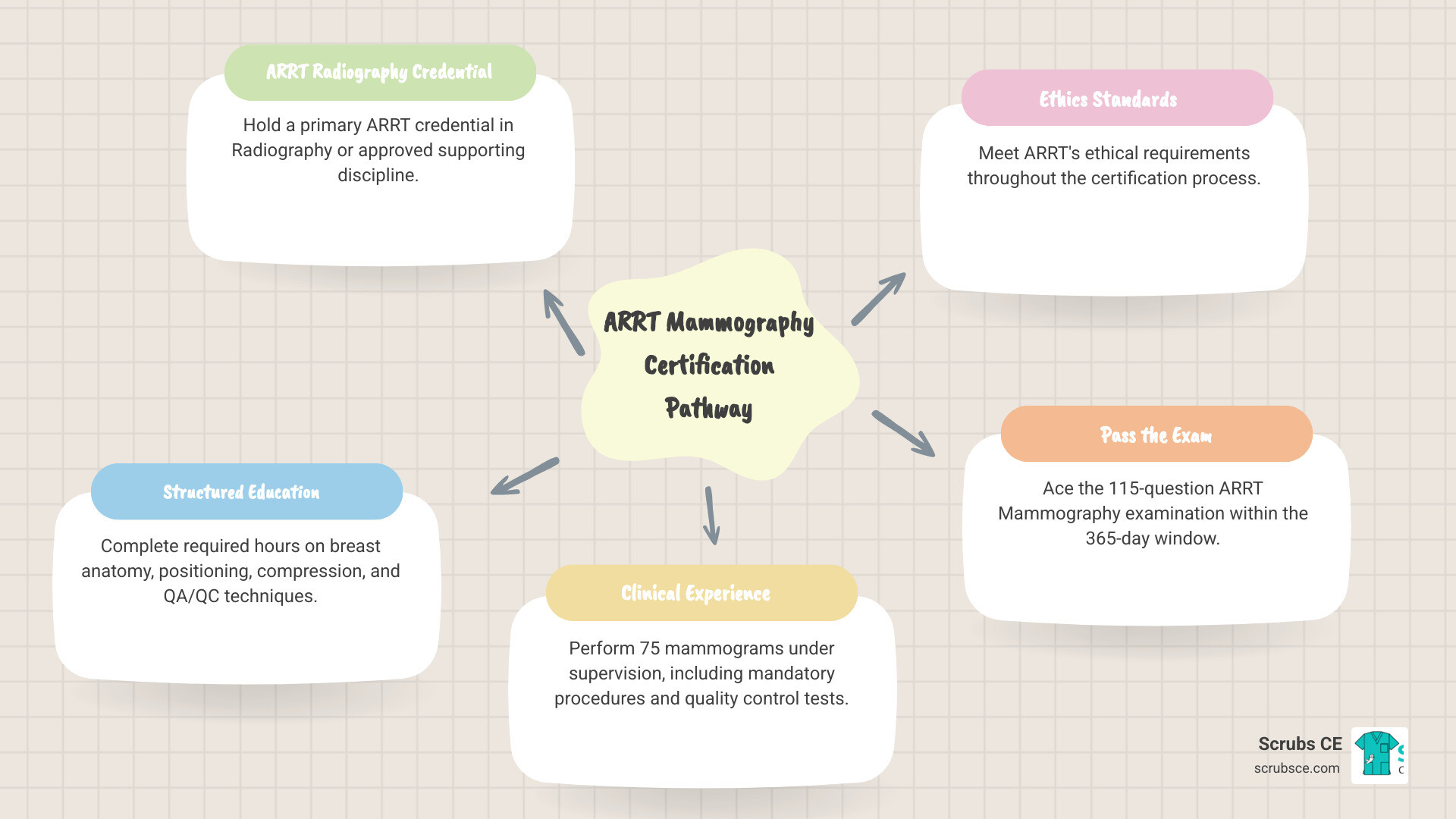
- How do you start? You must already hold an ARRT credential in an approved supporting discipline, most commonly Radiography.
- What are the main requirements? You’ll need to complete specific structured education, gain hands-on clinical experience (including 75 independent mammograms), and pass a challenging examination. You must also meet ARRT’s ethical standards.
Earning this certification is a significant step. It takes time and commitment. But the payoff in career growth and patient trust is huge.
I’m Zita Ewert, and as the driving force behind SCRUBS Continuing Education, I’ve helped countless imaging professionals navigate the complexities of ARRT certification mammography and other credentials. My focus is always on providing clear, high-quality resources to empower you in your career.
ARRT certification mammography word guide:
Understanding the ARRT Certification Mammography Pathway
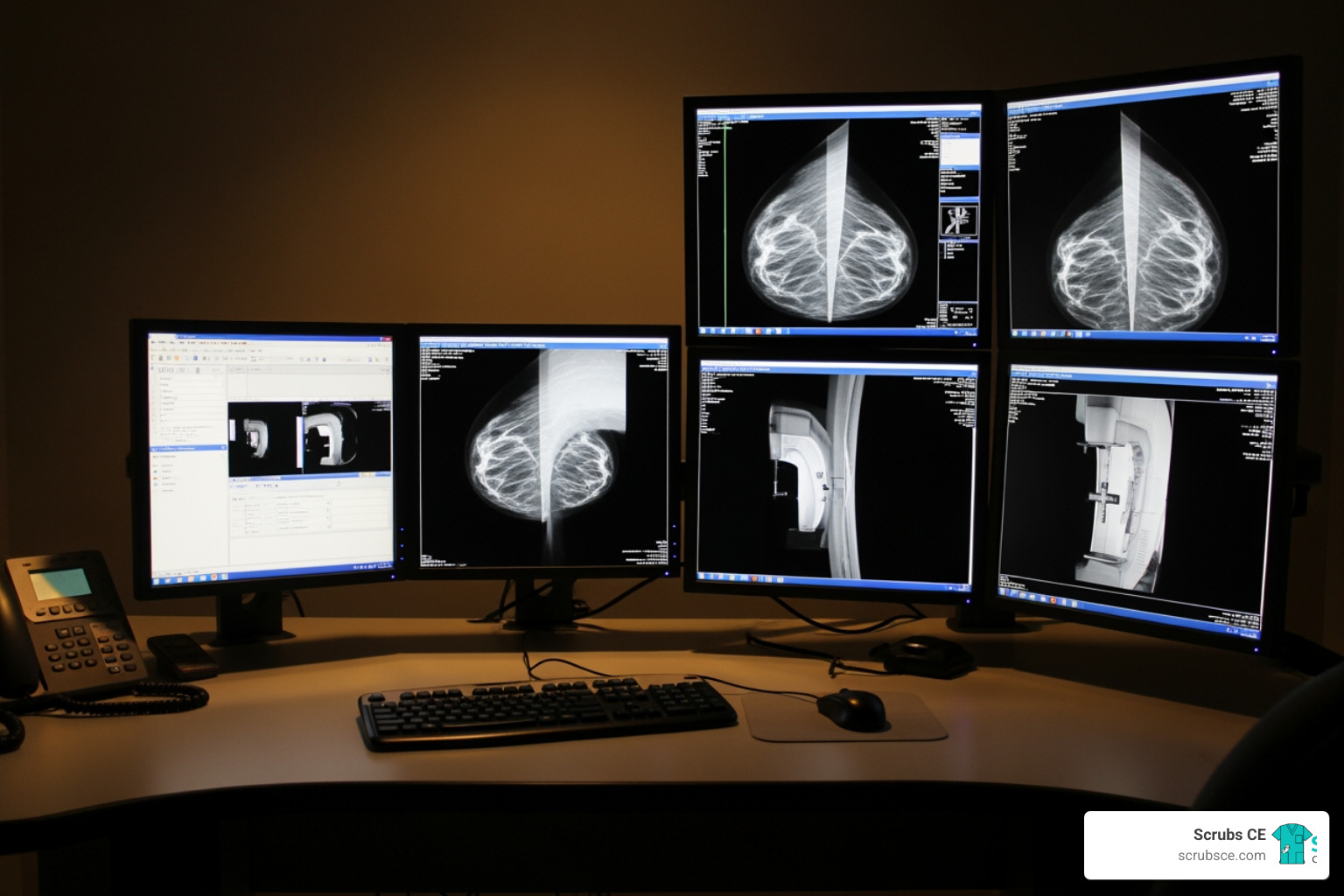
When we talk about ARRT certification mammography, we are looking at what the American Registry of Radiologic Technologists calls a “postprimary pathway.” Unlike your initial x-ray school, which was likely a “primary pathway,” postprimary credentials are designed for professionals who are already certified and registered in a supporting discipline.
For most of us, that supporting discipline is Radiography. To be eligible to even start your mammography application, you must be in good standing with the ARRT in your primary field. This ensures you already have a solid foundation in radiation safety, patient care, and basic physics before you specialize in the delicate art of breast imaging.
Navigating this path is about more than just checking boxes; it’s about meeting federal standards. The Mammography Quality Standards Act (MQSA) mandates specific training for anyone performing mammograms in the U.S. While MQSA sets the legal “floor” for practicing, ARRT certification represents the “ceiling” of professional excellence.
Importance of ARRT Certification Mammography for Your Career
Why go through the extra effort? For starters, many hospital systems and outpatient imaging centers won’t even look at a resume that doesn’t list ARRT certification mammography. It’s often a non-negotiable employer requirement.
Beyond just getting the job, this certification builds immense clinical confidence. Mammography is a unique beast—it’s one of the few areas in Radiology where the technologist has a direct, profound impact on the diagnostic quality of the image through manual compression and positioning. By mastering the ARRT requirements, you’re signaling to your colleagues and patients that you are a specialist. To dive deeper into the basics of the role, check out our Mammography Technologist Training Guide.
Supporting Discipline and Eligibility Requirements
To qualify for the ARRT certification mammography exam, you must meet three core requirements:
- Ethics: You must comply with the ARRT Standards of Ethics.
- Education: You must complete “Structured Education” (more on that in a bit).
- Examination: You must pass the national registry exam.
It is important to distinguish between what the law (MQSA) requires and what the ARRT requires. While they overlap, they are not identical.
| Requirement | MQSA (Legal Minimum) | ARRT (Certification) |
|---|---|---|
| Initial Training | 40 hours | 16 hours “Structured Education” |
| Supervised Exams | 25 mammograms | Included in clinical requirements |
| Independent Exams | Not specified | 75 mammograms |
| Registry Exam | Not required | Mandatory |
| CE Credits | 15 credits every 36 months | 24 credits every 24 months (standard ARRT) |
Step-by-Step Clinical and Education Requirements
Once you’ve confirmed your eligibility as a Radiographer, the real work begins. You’ll need to balance book learning with hands-on clinical time. This is where you transition from a generalist to a specialist. You can learn more about the specific topics covered in mammography education to get a head start.
Structured Education and MQSA Compliance
To meet the ARRT certification mammography standards, you must complete at least 16 hours of structured education. However, keep in mind that to be MQSA compliant, you actually need 40 hours of initial mammography training. Most technologists choose a 40-hour course that covers both requirements simultaneously.
This training must cover specific areas:
- Breast Anatomy and Physiology: Understanding the tissue you are imaging.
- Positioning and Compression: The “bread and butter” of a mammographer’s day.
- QA/QC Techniques: Ensuring the equipment is safe and accurate.
- Imaging Patients with Implants: Specialized techniques like Eklund views.
Clinical Experience and Mandatory Procedures
The clinical portion is often the most challenging to coordinate. ARRT candidates must independently complete mammographic imaging on 75 patients.
Wait—don’t forget the MQSA requirement! Before you can do those 75 independent exams for the ARRT, MQSA requires you to perform 25 mammograms under direct supervision. Think of it as your “learner’s permit” before you go solo.
According to the official Clinical Experience Requirements, you must also participate in mammographic image evaluation. This involves reviewing at least 10 cases with an MQSA-qualified interpreting physician (Radiologist) to discuss anatomy, pathology, and image quality.
Quality Control Tests and Elective Procedures
You aren’t just taking pictures; you’re managing a high-tech medical device. ARRT requires you to document participation in various Quality Control (QC) tests.
Effective July 1, 2020, some of these numbers changed. For instance, the requirement for phantom image quality repetitions increased from five to ten. You’ll also need to document compression force tests and repeat analysis.
Additionally, you must complete at least five elective procedures. These might include:
- Needle localizations
- Breast ultrasounds
- Breast MRIs
- Stereotactic biopsies
- Surgical specimen imaging
Mastering these positioning techniques is vital for completing these clinical requirements efficiently.
Navigating the Exam and Application Process
After you’ve logged your hours and your 75 patients, it’s time to face the exam. The ARRT Mammography exam is a computer-based test that evaluates your knowledge of patient care, image production, and procedures.
The exam currently consists of 115 scored questions (though this can vary slightly with “pilot” questions). Once your application is approved, you have a 365-day window to take the exam. If you don’t pass or the window expires, you’ll have to reapply.
Navigating the ARRT Certification Mammography Application Process
Everything is handled through your ARRT online account. You’ll use the “Postprimary Tool” to log your clinical procedures and structured education.
- Verification: Each procedure must be verified by a certified supervisor or a Radiologist.
- Daily Limits: You can document up to 16 mammographic procedures per day in the online worksheet.
- Fees: There is an application fee (usually around $225 for ARRT members).
We always recommend downloading the official postprimary eligibility pathway handbook before you start. It’s the “bible” for the application process.
California State Requirements for Technologists
If you’re practicing in the Golden State, there’s an extra hurdle. California’s Radiologic Health Branch (CDPH-RHB) requires technologists to pass a state-specific mammography exam before or in addition to the national ARRT exam to be fully licensed in the state.
California is known for being strict, so make sure you stay on top of your license renewal requirements to avoid any practice gaps.
Maintaining Credentials and Re-qualification
Congratulations, you’re certified! Now, how do you keep those initials after your name? Maintaining your ARRT certification mammography is a two-fold process involving both the ARRT and MQSA.
- ARRT Requirements: You must complete 24 Category A or A+ CE credits every two years (your biennium).
- MQSA Requirements: You must obtain 15 CE credits specifically in mammography every 36 months.
- Continuing Experience: MQSA requires you to perform at least 200 mammograms every 24 months.
It can feel like a lot of math, but we’ve got a guide that breaks down the ARRT Mammography CE Requirements to make it simple.
Re-qualifying After a Certification Lapse
Life happens. Maybe you took a break from the field or moved into administration and let your “mammo” skills get rusty. If you have been out of the field for more than two years, MQSA requires you to re-qualify before you can work independently again.
To re-qualify, you must:
- Earn 15 mammography-specific CEUs.
- Perform 25 mammograms under direct supervision.
- Perform 175 mammograms in the first six months after re-qualifying (these can be independent, but they must be completed quickly to prove competence).
For those looking to get back into the swing of things, our Mammography CE Credits Guide 2025 is an excellent resource for finding the right courses.
Frequently Asked Questions about ARRT Mammography
How many mammograms are required for ARRT certification?
To sit for the ARRT certification mammography exam, you must independently perform 75 mammograms. However, MQSA requires an initial 25 supervised exams before you can do those 75. So, in total, you’ll be doing at least 100 exams during your training period.
What is the difference between MQSA and ARRT requirements?
MQSA is the law—it’s what you need to legally touch a mammography machine in the United States. ARRT is a professional credential—it’s what you need to be considered a “Registered Technologist” in the specialty. While they share many requirements (like the 40 hours of training), ARRT requires a national exam, while MQSA does not.
How do I find ARRT-approved continuing education?
Look for courses that are approved by an ARRT-recognized Continuing Education Evaluation Mechanism (RCEEM), such as the ASRT. At Scrubs CE, all our courses are guaranteed to be accepted for ARRT renewal.
Conclusion
Mastering ARRT certification mammography is a journey that transforms your career. It moves you from being a “general” tech to a specialist who plays a critical role in the early detection of breast cancer. While the 75 mammograms, the QC tests, and the 16 hours of structured education might seem daunting, they are the building blocks of a stable, rewarding career.
At Scrubs CE, we are committed to your professional advancement. We offer convenient, affordable, and self-paced mammography CEUs to help you meet your MQSA and ARRT requirements without the stress. Whether you are just starting your 40 hours or you are a veteran tech needing your 15 credits for MQSA, we’ve got your back.
Ready to take the next step in your Radiology career? Explore our Mammography CE Courses today and join the ranks of elite breast imaging professionals!
Recent Comments