
Why Radiation Protection CEU Matters for Every Imaging Professional
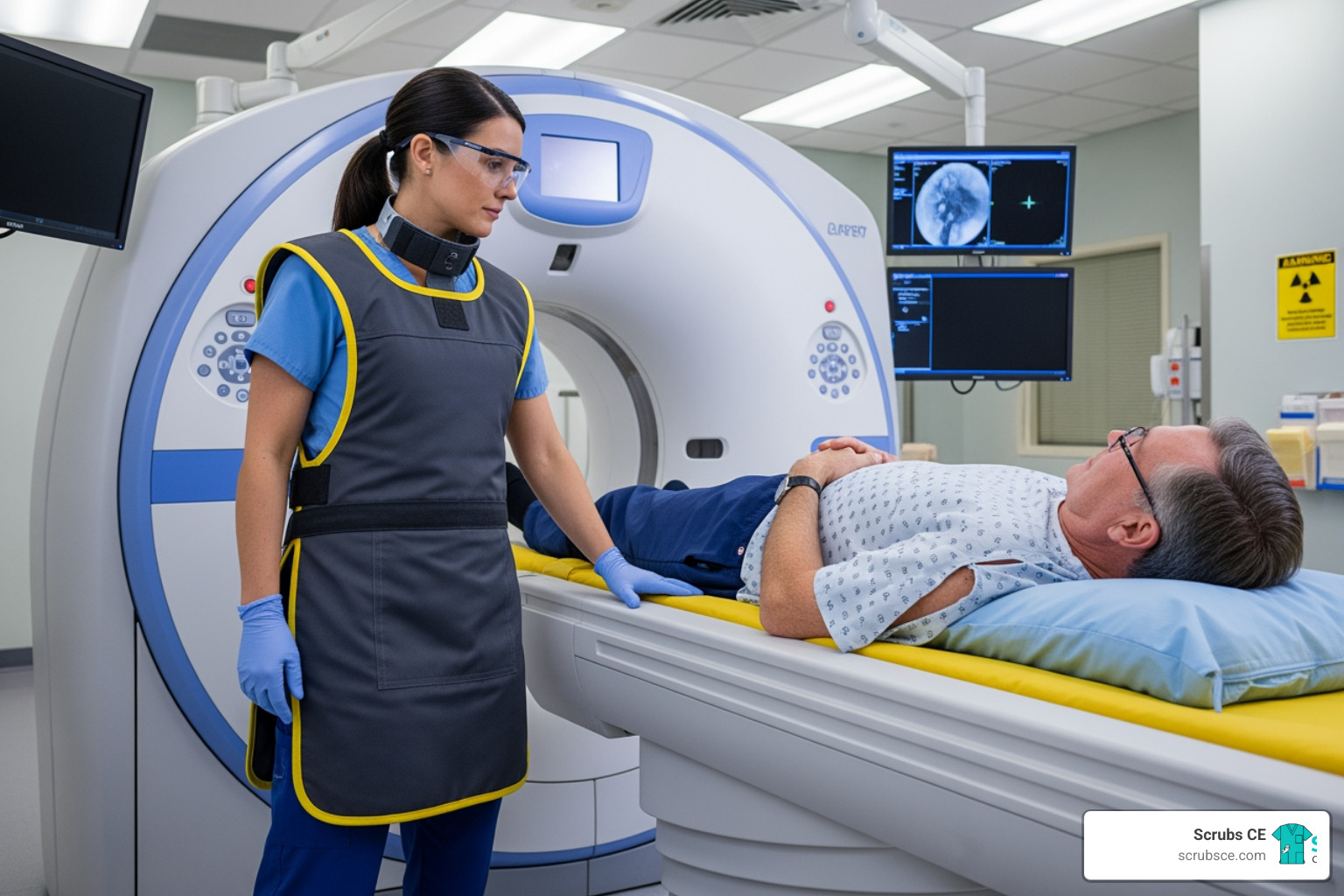
Radiation protection CEU (Continuing Education Units) are required courses that help radiologic technologists and imaging professionals maintain their certifications, meet state licensure requirements, and stay current with best practices for minimizing radiation exposure to patients and staff.
Quick Answer: What You Need to Know
- Purpose: Fulfill ARRT®, NMTCB®, and state board CE requirements while learning current safety protocols
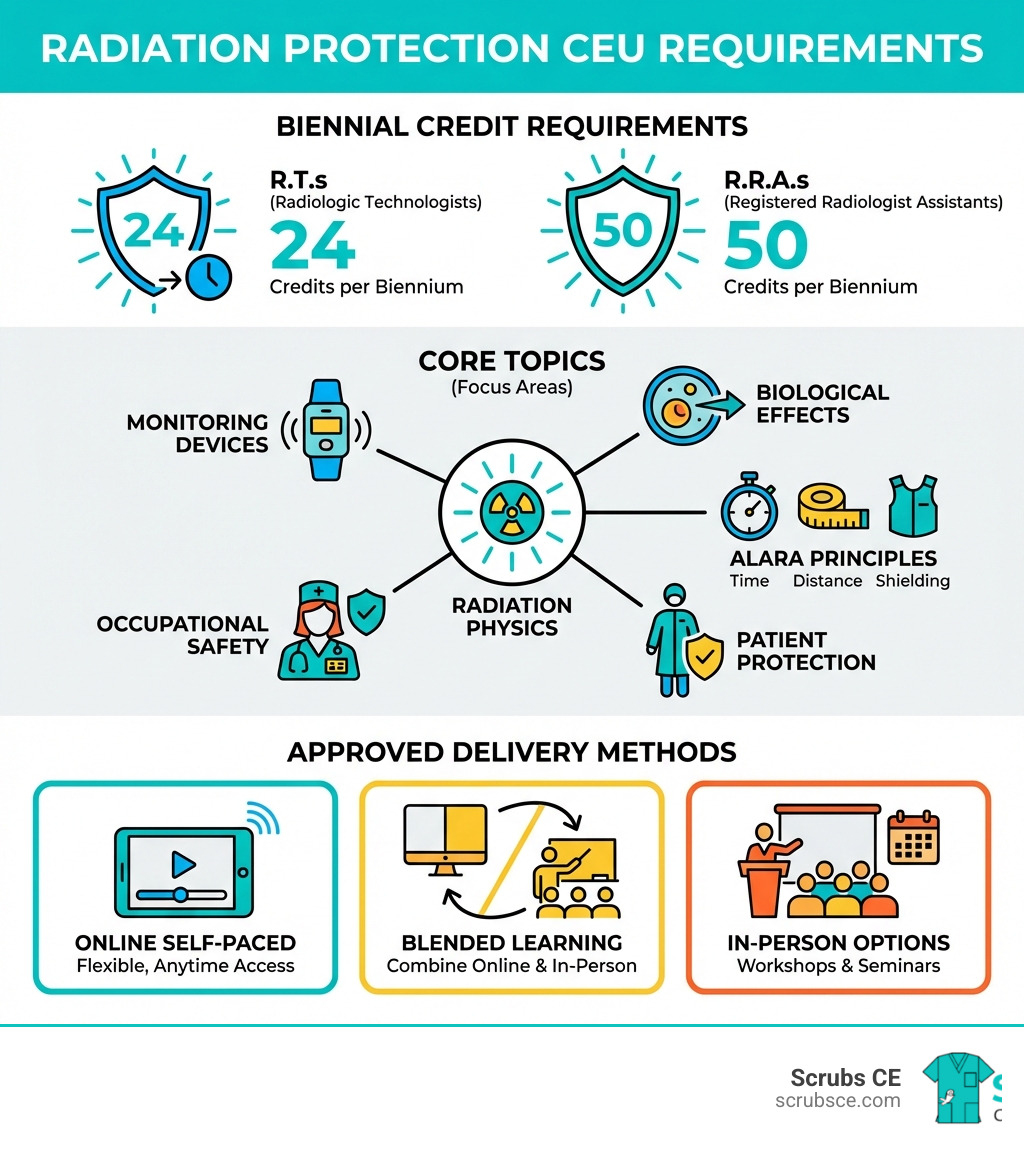
- Common Requirements: Most R.T.s need 24 approved CE credits every two years (biennium); R.R.A.s need 50 credits
- Topics Covered: Radiation physics, biological effects, ALARA principles, patient protection, occupational safety, monitoring devices
- Delivery Options: Online self-paced, blended learning, or in-person courses
- Cost Range: Individual courses from $6-$24, or unlimited CE packages around $50/year
- Approval: Look for ASRT-approved courses accepted by ARRT® and state health departments
Every day, you work with ionizing radiation to help diagnose and treat patients. That responsibility comes with a fundamental obligation: protecting yourself, your patients, and your colleagues from unnecessary exposure. Whether you’re positioning a pediatric patient for a chest X-ray, assisting with a fluoroscopy-guided procedure, or performing CT scans, your knowledge of radiation safety directly impacts lives.
The challenge? Radiation protection science evolves constantly. New imaging technologies emerge, dose reduction techniques improve, and regulatory standards change. What you learned during your initial certification may no longer represent current best practices. That’s exactly why continuing education in radiation protection isn’t just a bureaucratic checkbox—it’s a professional imperative.
Beyond meeting your biennial requirements for ARRT® certification renewal or state licensure, radiation protection CEUs ensure you’re equipped with the latest knowledge on dose management, emergency response protocols, and specialty-specific safety measures. From understanding the biological effects of radiation at the cellular level to implementing practical shielding strategies in the operating room, these courses bridge the gap between regulatory compliance and clinical excellence.
As Zita Ewert, I’ve spent years ensuring imaging professionals have access to high-quality, affordable radiation protection CEU courses through SCRUBS Continuing Education®. Our ASRT-approved courses are specifically designed to meet your certification requirements while delivering practical knowledge you can apply immediately in your clinical practice.
Simple Radiation protection CEU glossary:
Why Radiation Protection CEUs are Essential for Your Career
Engaging in radiation protection CEU isn’t just about fulfilling requirements; it’s a strategic investment in your professional journey and, more importantly, in patient safety. We believe that informed professionals are confident professionals, and that confidence translates directly into better patient care.
Completing these courses offers a wealth of benefits:
- Career Advancement: Staying updated with the latest in radiation safety practices and technology can open doors to new roles, specializations, and leadership opportunities within your field. It demonstrates a commitment to excellence and continuous improvement.
- Improved Patient Care: At the heart of our profession is the patient. By mastering advanced dose reduction techniques and understanding the nuanced biological effects of radiation, you contribute directly to minimizing risks and optimizing imaging quality for every individual you serve.
- Increased Confidence: Knowledge is power, especially when facing complex clinical scenarios or answering patient questions about radiation exposure. When you’re well-versed in the ALARA principle and its practical application, you can confidently explain procedures and protective measures.
- Staying Current with Technology: Medical imaging technology evolves rapidly. CEUs ensure you’re familiar with the latest equipment, software, and protocols designed to improve image quality while simultaneously reducing dose.
- Fulfilling Licensure Requirements: This is the practical side. Most states and certifying bodies mandate continuing education to maintain your professional license and certification. Radiation protection CEU courses are a crucial component of this ongoing responsibility.

The Importance of Safety Across Medical Imaging Modalities
Radiation safety isn’t a one-size-fits-all concept; its application varies significantly across different medical imaging modalities. Our radiation protection CEU courses dig into these distinctions, ensuring you’re adept at applying the most effective safety measures no matter your specialty.
- Radiology: This foundational modality requires a comprehensive understanding of X-ray physics, patient positioning, and shielding. Courses cover the basics of radiation interaction with matter and daily protection practices. For comprehensive insights, you can find More info about Radiation Protection in Medical Radiography.
- Mammography: Given the sensitivity of breast tissue, radiation dose management in mammography is paramount. CEUs in this area focus on optimizing techniques to detect abnormalities with the lowest possible dose, including an understanding of breast anatomy and density.
- Computed Tomography (CT): CT scans deliver higher doses than conventional X-rays, making dose optimization a critical skill. Courses address factors affecting patient dose, automatic exposure control, and reconstruction algorithms, especially for vulnerable populations.
- Fluoroscopy: Often used in interventional procedures, fluoroscopy presents unique challenges due to continuous radiation exposure. Specialized courses focus on minimizing patient and staff exposure during these dynamic studies, covering topics like pulse fluoroscopy, collimation, and proper use of protective tools. For a deeper dive, explore More info about Fluoroscopy Radiation Safety.
- Nuclear Medicine: This modality involves the use of radiopharmaceuticals. Radiation protection here centers on safe handling of radioactive materials, managing contamination, and monitoring radiation levels for both patients and staff.
Each modality demands a custom approach to radiation protection, and our CEU offerings are designed to equip you with that specialized knowledge.
Meeting Certification and State Board Mandates
Navigating the landscape of professional certification and state licensure can feel like a maze, but radiation protection CEU courses are your reliable compass. They are specifically designed to help you meet the stringent requirements set by regulatory bodies.
Most radiologic technologists (R.T.s) are required to earn 24 approved CE credits every two years, or biennium. However, for Registered Radiologist Assistants (R.R.A.s), the requirement jumps to 50 approved CE credits per biennium. If you hold a Sonography credential, 16 of your biennial CE credits must be directly related to that discipline, emphasizing the need for specialized learning. We understand that life happens, and sometimes you might need to adjust your reporting schedule. You can even Request to change your CE biennium year if necessary.
Beyond basic CE, many professionals also face Continuing Qualification Requirements (CQR) from the ARRT®. Our radiation protection CEU courses are structured to address specific CQR content areas. We even offer a CQR Simulator Tool to help you identify the best-fit courses for your unique CQR needs. This ensures that the time and effort you invest in continuing education directly support your certification maintenance.
Compliance with regulatory bodies like the American Society of Radiologic Technologists (ASRT) and individual state health departments is non-negotiable. Our courses are ASRT-approved, guaranteeing their acceptance for ARRT® renewal. Furthermore, we work diligently to secure approval from various state health departments. For instance, our courses are approved by the Florida Department of Health (DOH), and we even report your earned credits directly to them monthly. Similarly, all our radiation safety courses are approved by the California Department of Public Health–Radiologic Health Branch for licensed radiologic technologists in California. For specific details, you can refer to More info about California Radiation Safety. This broad acceptance ensures that your commitment to lifelong learning translates into seamless professional compliance.
What You’ll Learn: A Deep Dive into Course Content
When you enroll in a radiation protection CEU course, you’re not just signing up for credits; you’re starting on a journey to deepen your understanding and refine your practical skills. The learning outcomes are designed to be comprehensive, ensuring you walk away with actionable knowledge and a reinforced commitment to regulatory compliance. You’ll gain practical skills in implementing safety protocols, managing dose, and communicating effectively about radiation risks.
What Topics Are Covered in a Radiation Protection CEU Course?
Our radiation protection CEU courses offer a rich curriculum that covers fundamental principles and their real-world applications. Here’s a glimpse into the specific topics you can expect to master:
- Radiation Physics: Understand the nature of ionizing radiation, its sources, and how it interacts with matter. This forms the bedrock for comprehending dose and protection strategies.
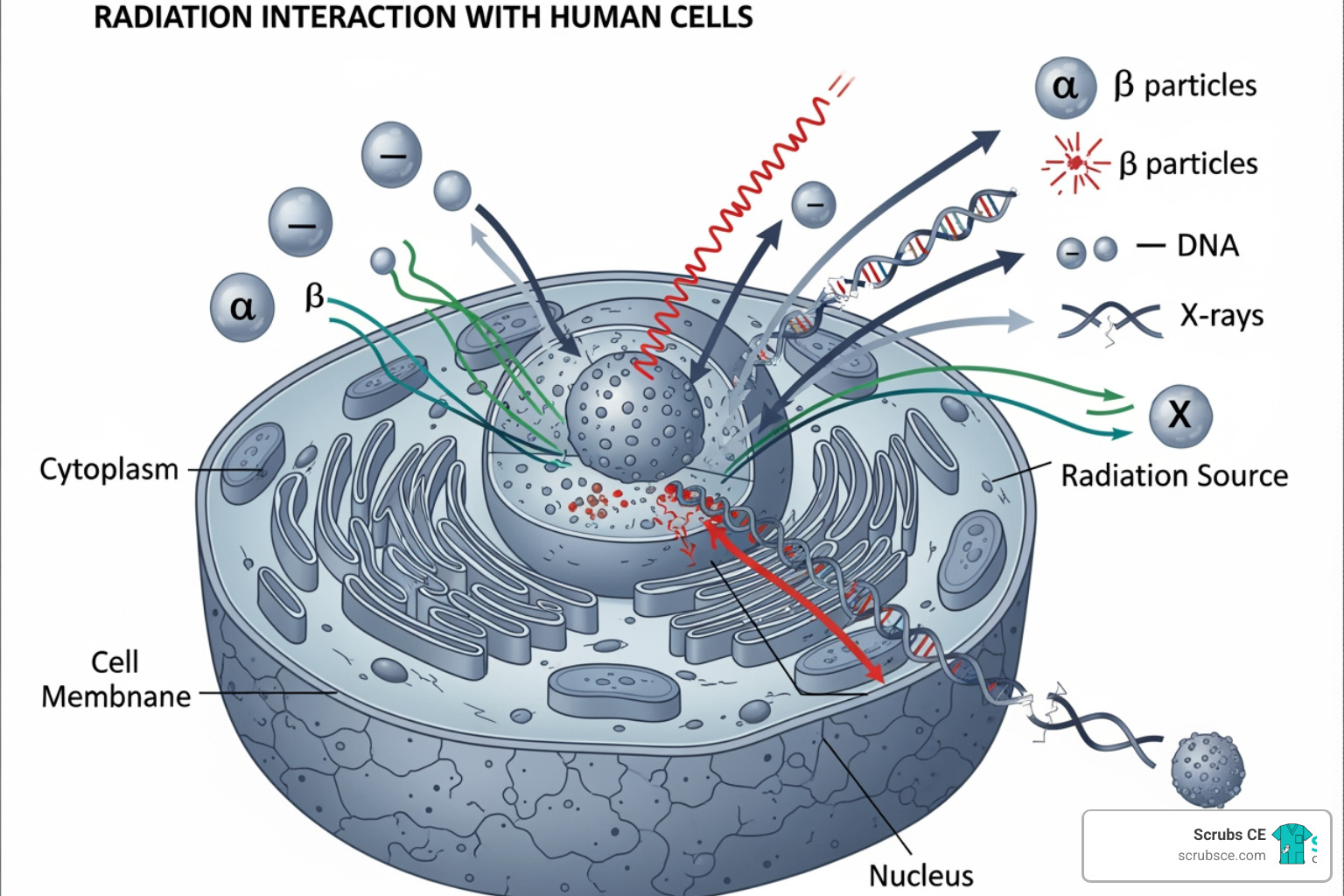
- Radiobiology and Biological Effects of Radiation: Dig into how radiation impacts living cells and organisms, from molecular to cellular and organic levels. This knowledge is crucial for appreciating the importance of dose limits and protective measures.
- Dose Limits and Measurement: Learn about established dose limits for both occupational exposure and patient exposure, alongside the methods and instruments used to measure radiation.
- Patient Protection Practices: Explore elements of effective patient protection, including justification for radiographic procedures, optimization techniques, digital Radiology considerations, and critical protocols for protecting pregnant patients. For a comprehensive overview of how to safeguard those in your care, consider a course on Radiation Protection and Patient Care.
- Occupational Protection: Understand fundamental principles for protecting yourself and your colleagues, including managing scatter and leakage radiation, using protective barriers and accessories, and specific rules during fluoroscopy.
- Radiation Monitoring Devices: Get acquainted with various personnel monitoring devices and radiation survey instruments, and learn how to interpret their readings to ensure a safe working environment.
- ALARA Principle: This core concept—As Low As Reasonably Achievable—is woven throughout all topics, guiding decisions on minimizing radiation exposure without compromising diagnostic quality.
Specialized Training for Diverse Environments
General radiation safety is essential, but many imaging professionals work in specialized environments that demand specific knowledge and protocols. Our radiation protection CEU courses address these unique needs, providing custom training for diverse clinical settings.
- Pediatric Radiation Safety: Children are more radiosensitive than adults, making pediatric radiation safety a critical area. Courses focus on optimizing pediatric radiation dose, minimizing risks in pediatric CT, and utilizing age-appropriate techniques and protocols. These courses ensure you’re equipped to protect our youngest and most vulnerable patients.
- Operating Room Protocols: The operating room presents a dynamic environment where radiation safety can be particularly challenging due to patient positioning, sterile fields, and the presence of multiple personnel. Specialized courses, such as “Radiation Protection in the Operating Room,” cover specific practices, equipment, and communication strategies to maintain safety during surgical procedures involving fluoroscopy or mobile X-ray.
- Dental Radiology: While often overlooked, dental imaging also uses ionizing radiation. Courses in dental Radiology provide education for dentists and other dental professional staff, covering patient protection, equipment use, and regulatory compliance specific to the dental setting.
- Interventional Procedures: These complex procedures, often guided by fluoroscopy, carry significant radiation exposure potential for both patients and staff. Specialized training in interventional procedures focuses on practical tutorials demonstrating the effects of various factors on patient and staff dose, emphasizing real-time dose monitoring, and protective measures for the eye lens. Our More info about Fluoroscopy Radiation Safety also offers in-depth knowledge for this high-exposure modality.
Preparing for the Unexpected: Radiation Emergency Training
While we hope to never face one, radiation emergencies can occur, whether from industrial accidents, natural disasters, or intentional acts. Being prepared is paramount, and radiation protection CEU courses can equip you with the knowledge to respond effectively.
Specialized courses in radiation emergency preparedness are designed to prepare healthcare and public health professionals for such unlikely events. These courses typically cover:
- Emergency Protocols: Understanding the types of radiation emergencies and the initial triage and management actions for exposed or contaminated individuals.
- Triage and Decontamination: Differentiating between exposure and contamination, identifying signs of internal and external contamination, and implementing appropriate decontamination procedures.
- Public Communication: Learning how to communicate important protection messages to the general public, manage public fear, and ensure proper guidance.
- Medical Management: Identifying high-risk populations, understanding the short and long-term health effects of radiation exposure, defining Acute Radiation Syndrome (ARS) and its symptoms, and learning about available medical countermeasures.
This type of training is vital for a comprehensive approach to radiation safety, ensuring professionals are ready to act confidently and correctly in a crisis.
How to Find, Register, and Complete Your Radiation Protection CEU
Finding, registering for, and completing your radiation protection CEU courses should be a straightforward process, not another hurdle in your busy professional life. Our goal is to make this as seamless as possible, so you can focus on learning.
Choosing the Right Course and Provider
With numerous options available, selecting the right radiation protection CEU course and provider is crucial. We recommend focusing on accredited organizations and courses that specifically meet your certification and state requirements.
- Accredited Organizations: Look for courses approved by recognized bodies such as the American Society of Radiologic Technologists (ASRT). ASRT approval generally means the courses are accepted by the ARRT® and often by state registries across the USA and Canadian territories. Other reputable organizations like the American Academy of Health Physics (AAHP) and the International Atomic Energy Agency (IAEA) also offer valuable training.
- Online Course Catalogs: Many providers, like us at Scrubs CE, offer extensive online catalogs where you can browse courses by topic, credit hours, or specialty.
When choosing a course, here are key factors to consider:
- ASRT Approval: Essential for ARRT® certification renewal.
- State Acceptance: Ensure the course is approved for your specific state (e.g., California, Florida, Texas, Kentucky, Massachusetts, New Mexico).
- CQR Applicability: If you have ARRT® CQR requirements, check the course’s CQR distribution table or use a CQR Simulator Tool to find relevant content.
- Topic Relevance: Does the course cover topics directly applicable to your practice or areas where you need to refresh your knowledge?
- Instructor Qualifications: Look for providers who use board-certified instructors, which adds to the credibility and depth of the training.
Delivery Methods and Associated Costs
The flexibility of radiation protection CEU courses has expanded significantly, offering various delivery methods to fit your schedule and learning style.
- Online Self-Paced (Asynchronous): This is by far the most popular and convenient method. You can access course materials anytime, anywhere, on any device (phone, tablet, computer). You work through the content at your own pace, making it ideal for busy professionals. Many of our courses at Scrubs CE fall into this category, allowing you to earn your continuing education credits on your terms and at your convenience.
- Online Scheduled (Synchronous): These are live webinars or virtual classes with set times, often allowing for real-time interaction with instructors and peers.
- Blended Learning: A combination of online modules and in-person sessions, offering the best of both worlds.
- In-person Seminars/Workshops: Traditional classroom-based learning, still offered by some institutions for those who prefer face-to-face interaction.
Costs associated with radiation protection CEU courses can vary widely. Individual courses can range from as low as $6 for a 0.75 Category A Credit course, up to $23.75 for a 4.75 CE Credit course. More extensive, in-depth programs may have higher costs. For those who need multiple credits, unlimited CE packages can be a cost-effective solution. For example, we offer an unlimited CE credits package that provides access to 239+ CE Credits for just $49.99 for a year. This can be a fantastic value, allowing you to complete all your required CE for one low price. You can find More info about our unlimited CE credits package and explore how it can benefit you.
Tracking and Reporting Your Credits
Once you’ve completed your radiation protection CEU courses, tracking and reporting your credits efficiently is the final step to maintaining your certification and licensure.
- CE Biennium: Your continuing education requirements are typically tied to a two-year period, known as a biennium. It’s crucial to know your specific biennium dates to ensure timely completion and reporting.
- Instant Certificates: Many online providers, including Scrubs CE, offer instant certificates upon successful completion of a course and passing the post-test (often with an 80% or higher score). This allows you to immediately have proof of completion.
- Automatic Reporting to State Boards: To simplify your life, some providers will automatically report your earned credits to specific state health departments. For example, we report CE credits to the Florida Department of Health (DOH) on your behalf on the 1st of each month. Always confirm if your chosen provider offers this service for your state.
- Personal Record Keeping: Even with automatic reporting, it’s a best practice to keep your own detailed records of completed courses, certificates, and credit hours. This personal archive is invaluable for audits or future reference.
- Online Portal for Certification Tracking: Certifying bodies like the ARRT® often provide online portals where you can track your reported CE credits and monitor your progress towards renewal.
By understanding these processes, you can ensure that your hard-earned radiation protection CEU credits are properly documented and contribute to your ongoing professional standing.
Frequently Asked Questions about Radiation Protection CEUs
We often hear similar questions from professionals seeking to understand their radiation protection CEU requirements. Here are some of the most common ones, answered directly:
How many CE credits do I need for my certification renewal?
The number of CE credits required for certification renewal varies depending on your specific credential and role:
- Most R.T.s: If you are a radiologic technologist (R.T.), you typically need to earn 24 approved CE credits during your two-year biennium.
- Advanced Roles: For Registered Radiologist Assistants (R.R.A.s), the requirement is higher, mandating 50 approved CE credits each biennium.
- Sonography-Specific Requirements: If you hold a Sonography credential, 16 of your biennial CE credits must be directly related to that specific discipline, ensuring specialized knowledge within your area of practice.
While your initial CE reporting dates are set upon certification, you can request to change the year of your CE biennium if needed.
Are online radiation safety courses accepted by my state?
The vast majority of online radiation protection CEU courses are widely accepted by state licensing boards, especially if they are approved by recognized professional organizations.
- ASRT-Approved Courses: Courses approved by the American Society of Radiologic Technologists (ASRT) are generally guaranteed to be accepted for ARRT® renewal and by most state registries across the USA and Canadian territories.
- Always Check Specific State Requirements: While ASRT approval is a strong indicator, it’s always best practice to verify acceptance with your specific state’s licensing board. For example, we explicitly ensure our courses are approved by the California Department of Public Health–Radiologic Health Branch for California-licensed radiologic technologists, and by the Florida Department of Health (DOH) in Florida. We also meet CE requirements for states like Texas, Kentucky, Massachusetts, and New Mexico.
- Look for Approved Provider Status: Many state boards approve specific CE providers. Checking if a provider is listed as approved by your state offers an additional layer of assurance.
What are the prerequisites for these courses?
For most radiation protection CEU courses designed for certified radiologic technologists, there are generally no formal prerequisites. These courses assume you already possess foundational knowledge from your initial professional training and certification.
However, there are exceptions for highly specialized or advanced programs:
- Foundational Knowledge: CE courses are typically designed to build upon your existing professional knowledge, not to replace initial certification training.
- Advanced or Specialized Courses: Some advanced courses, particularly those for specific roles like a Radiation Safety Officer (RSO), might recommend or require prior certifications. For instance, an RSO course may recommend having a Certified Exposure Device Operator (CEDO) and/or Radiography Level I or II certification. These are often for roles beyond a standard radiologic technologist.
For the vast majority of CE requirements, you can dive right into the courses that interest you and are relevant to your practice.
Conclusion: Invest in Your Safety and Your Future
In the dynamic and critical field of medical imaging, the importance of radiation protection CEU cannot be overstated. It’s more than just a requirement; it’s a commitment to lifelong learning, a pledge to patient safety, and an investment in your own professional growth. By staying informed about the latest techniques, regulations, and technologies, you not only protect yourself and your patients but also lift the standard of care within our entire profession.
We at Scrubs CE are dedicated to providing convenient, high-quality online courses that empower you to meet your licensure and certification needs with ease. Our ASRT-approved radiation protection CEU offerings are designed to be practical, affordable, and accessible, ensuring you have the knowledge and confidence to excel in your role.
Don’t let your knowledge become outdated. Accept the opportunity to refresh your skills, improve your expertise, and reaffirm your dedication to safe and effective imaging practices. Your future, and the safety of your patients, depend on it.
Ready to take the next step in your professional development? Explore our full catalog of X-Ray CEU courses today and invest in a safer, more certified tomorrow.
Recent Comments