
Anatomy and Physiology for Pharmacists: Start With the Body System

To learn anatomy and physiology for pharmacists, start with what each organ does normally. Then ask what changes in disease, where a drug acts, and how that action affects the patient. Focus on the heart, kidneys, liver, lungs, and nervous system first. These systems help explain many drug effects, side effects, and dosing decisions.
I’m Zita Ewert, and I lead continuing education for imaging professionals at Scrubs CE. My experience making body-system concepts clear for busy healthcare learners shapes this guide to anatomy and physiology for pharmacists.
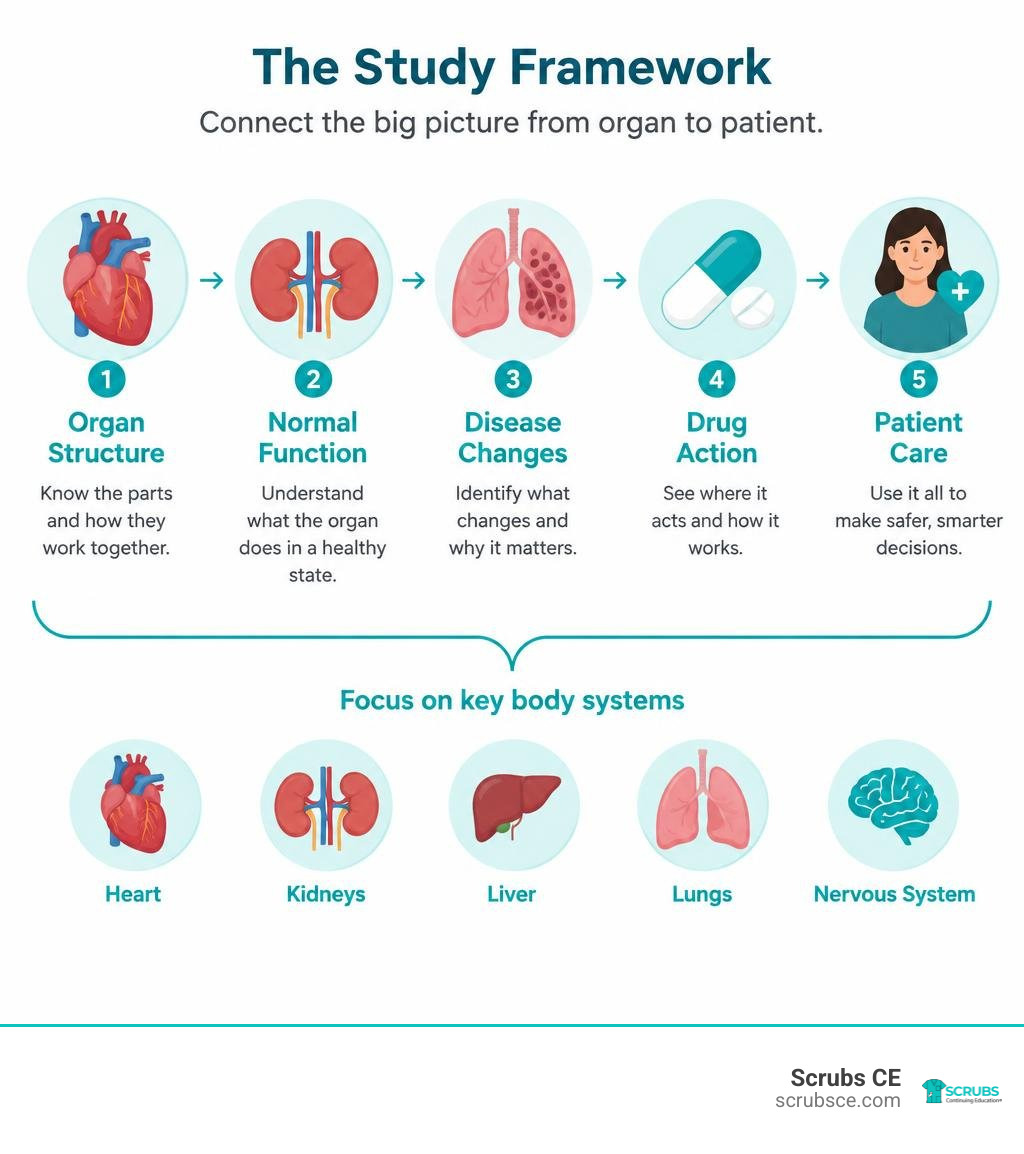
Anatomy and physiology for pharmacists word guide:
- anatomy and physiology for healthcare workers
- anatomy and physiology for dummies lymphatic system
- human anatomy and physiology for dummies
Why Anatomy, Physiology, and Pathophysiology Matter in Pharmacy Practice
Every medication order, compounding calculation, and patient counseling session relies on the biological machinery of the human body. Without a clear mental map of anatomical structures and normal baseline physiology, predicting drug action mechanisms or anticipating adverse drug reactions becomes guesswork. Pharmacists do not simply memorize brand and generic names; we evaluate how active molecules navigate physical tissues, bind to specialized receptors, and exit the body via clearance pathways.
Understanding foundational concepts like anatomy and physiology for healthcare workers allows clinicians to grasp pharmacokinetic modeling (what the body does to the drug) and pharmacodynamics (what the drug does to the body). When organ dysfunction occurs—such as declining renal filtration or impaired hepatic blood flow—the pharmacist must calculate precise dosage adjustments to maintain therapeutic efficacy without causing toxicity.
Bridging Basic Science to Clinical Pharmacotherapy
Pathophysiology serves as the vital bridge connecting raw basic science to clinical pharmacotherapy. While physiology outlines how healthy tissues maintain baseline homeostasis, decoding disease and pathological anatomy reveals how structural damage, chronic inflammation, and altered receptor densities disrupt normal function.
For instance, during chronic heart failure, cardiac myocytes undergo progressive tissue remodeling, ventricular walls thin or hyper-trophy pathologically, and neurohormonal compensatory pathways become chronically overactivated. Recognizing these disease mechanisms helps pharmacists evaluate circulating biomarker levels (such as B-type natriuretic peptide) and recommend guideline-directed medical therapies that directly reverse maladaptive remodeling and improve long-term clinical outcomes.
Patient Safety and Dosage Optimization
Medication safety hinges on recognizing how systemic anatomy and organ vascularization affect drug movement. Therapeutic drug monitoring requires an understanding of:
- Renal Clearance: Evaluating glomerular filtration rate and tubular secretion to prevent drug accumulation.
- Hepatic Metabolism: Predicting first-pass metabolism through the hepatic portal system and cytochrome P450 enzyme activity.
- Blood-Tissue Barriers: Recognizing how specialized cellular junctions, like the blood-brain barrier, selectively restrict or permit drug penetration.
By keeping these physiological barriers and metabolic organs in mind, pharmacists precisely define the therapeutic window for narrow therapeutic index drugs—preventing severe toxicity while ensuring adequate drug exposure.
Curricular Trends: How Pharmacy Schools Teach Anatomy and Physiology
Across the United States, 100% of accredited pharmacy programs require students to receive comprehensive instruction in human anatomy and physiology. However, institutional approaches to delivering these foundational biomedical sciences vary significantly. According to national curriculum evaluations, 76.1% of pharmacy programs require anatomy and/or physiology either as an entrance prerequisite or as an explicit component of the professional curriculum (Dias et al., 2020).
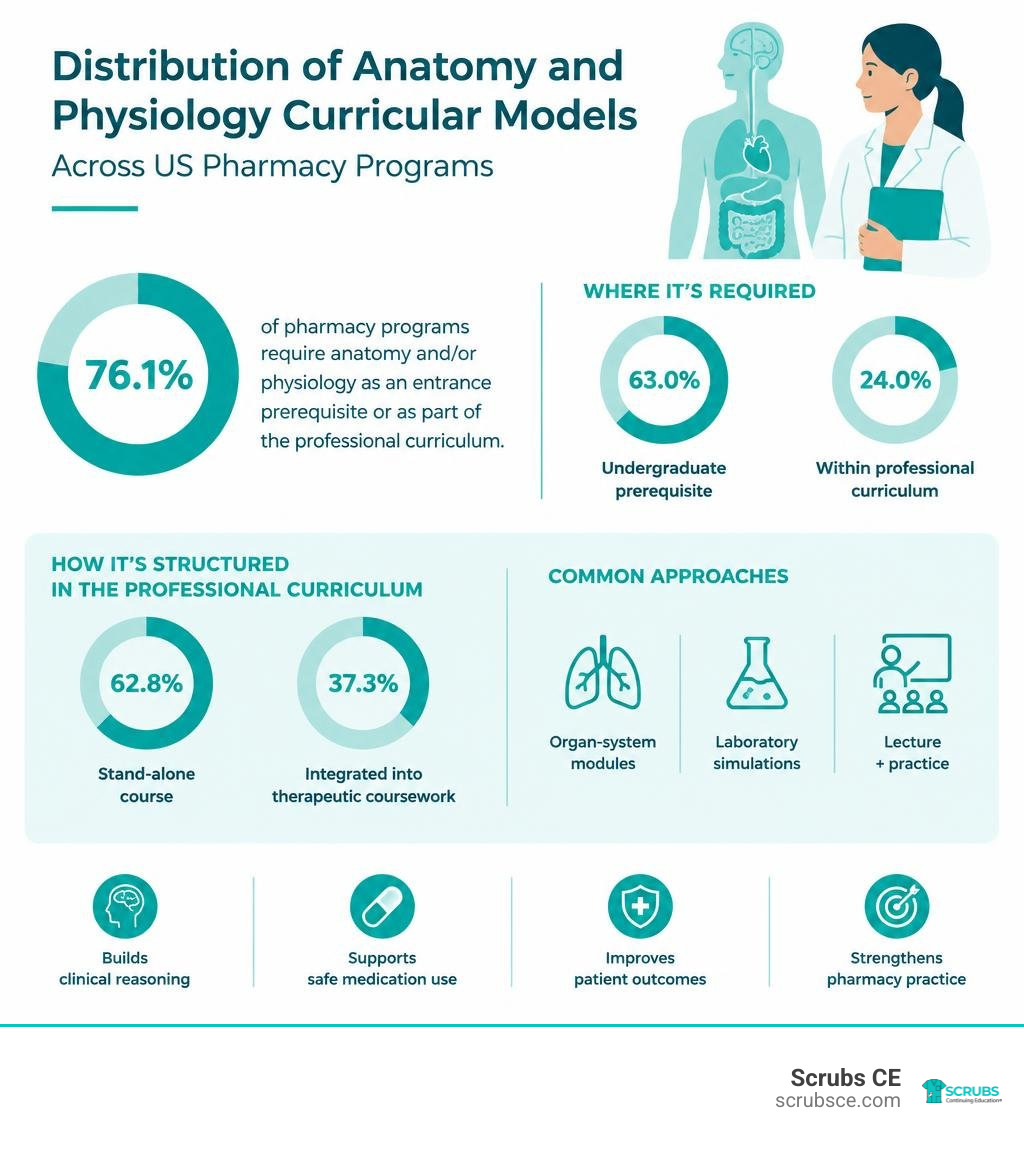
Specifically, 63.0% of pharmacy schools require anatomy and physiology strictly as an undergraduate prerequisite, whereas 24.0% include it directly within the professional curriculum. For busy students entering these programs, mastering fast and flexible anatomy learning strategies is critical for establishing strong academic preparedness before diving into heavy clinical coursework.
How Curricula Structure Anatomy and Physiology for Pharmacists
When pharmacy programs incorporate anatomy and physiology directly into the professional Doctor of Pharmacy (PharmD) curriculum, 62.8% deliver it as a stand-alone course, while 37.3% integrate the concepts directly into broader therapeutic coursework. Many international and domestic programs organize content into organ-system modules accompanied by laboratory simulations. For example, the clinical pharmacy training at Universität des Saarlandes embeds dedicated anatomy and physiology coursework during the third semester, combining lecture theory with realistic practice in simulated pharmacy environments to sharpen clinical problem-solving.
Stand-Alone vs. Integrated Pathophysiology Models
Pathophysiology instruction has shifted heavily toward integrated curricular models over recent years (Dias et al., 2020):
- Integrated Pathophysiology: 65.3% of U.S. programs weave disease mechanisms directly into disease-state pharmacotherapy modules.
- Stand-Alone Pathophysiology: 20.2% of programs offer dedicated, independent pathophysiology courses.
- Hybrid Models: 14.5% of programs utilize both stand-alone and integrated formats.
- Credit Weight: The mean number of credit hours for stand-alone pathophysiology courses across programs is 5 credit hours.
| Curricular Model | Prevalence | Primary Advantages | Potential Limitations |
|---|---|---|---|
| Stand-Alone Coursework | 20.2% (Pathophysiology) 62.8% (A&P in Professional Core) |
In-depth foundational mastery; clear separation of biological principles. | Risk of knowledge fragmentation; delayed clinical application. |
| Integrated Modules | 65.3% (Pathophysiology) 37.3% (A&P in Professional Core) |
Immediate application to therapeutics; cohesive disease-to-drug context. | Potential dilution of basic biomedical science depth. |
| Hybrid Approach | 14.5% (Pathophysiology) | Comprehensive foundational grounding followed by case-based reinforcement. | Increased overall credit burden on student schedules. |
Institutional Variations: Public vs. Private and 3-Year vs. 4-Year Programs
Curricular structures also show distinct variations based on institutional governance:
- Public vs. Private Prerequisites: Public pharmacy programs are significantly more likely than private institutions to require anatomy and physiology as an admission prerequisite (88.2% vs. 64.3%).
- Professional Curriculum Inclusion: Conversely, private pharmacy institutions are more likely to require pathophysiology within their professional program compared to public schools (95.7% vs. 83.8%).
- Program Length: Accelerated 3-year PharmD programs often allocate slightly more credit hours to stand-alone basic science coursework (averaging 6.0 hours) compared to traditional 4-year programs (averaging 4.8 hours) to ensure rapid foundational proficiency prior to early clinical clerkships.
Core Concepts of Anatomy and Physiology for Pharmacists
To make sense of pharmacodynamics, pharmacists must understand the structural layout and cellular signaling pathways of primary organ systems.
The Autonomic Nervous System and Neurotransmission
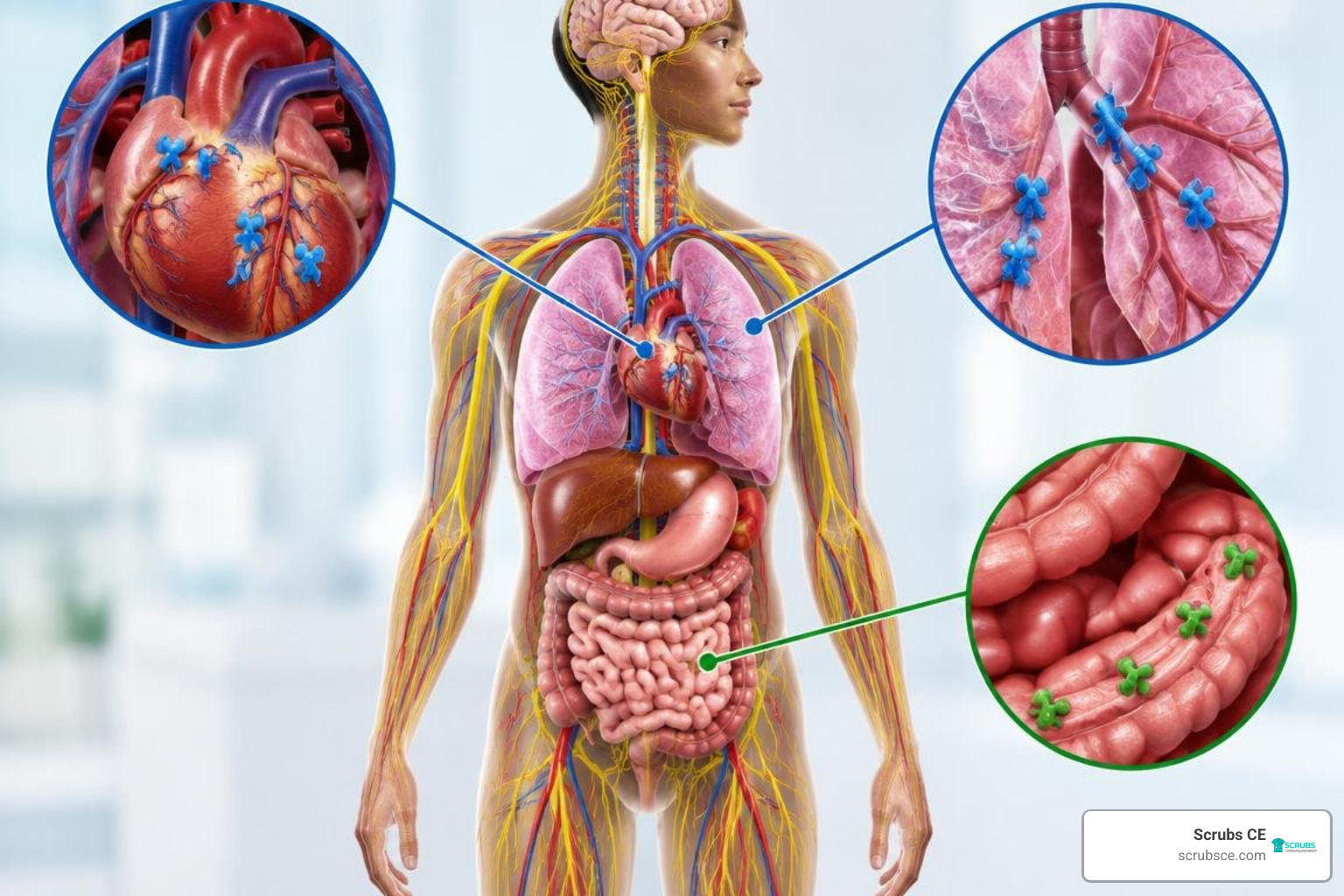
The autonomic nervous system (ANS) regulates involuntary visceral functions, maintaining homeostasis across cardiac, vascular, pulmonary, and gastrointestinal tissues (McCorry, 2007). The ANS is split into two functionally distinct branches:
- Sympathetic Division (“Fight or Flight”): Originates from thoracolumbar spinal segments. Short preganglionic fibers release acetylcholine (ACh) onto nicotinic receptors in paravertebral ganglia, stimulating long postganglionic fibers that release norepinephrine (NE) directly onto effector organs. It mobilizes energy, elevates heart rate, dilates bronchioles, and redirects blood flow toward skeletal muscles.
- Parasympathetic Division (“Rest and Digest”): Originates from craniosacral regions (with roughly 75% of all parasympathetic fibers traveling via the vagus nerve, Cranial Nerve X). Long preganglionic fibers synapse near target organs, releasing ACh onto muscarinic receptors (M1 through M5) to slow heart rate, stimulate digestion, and promote nutrient storage.
Neurotransmitter signaling is terminated rapidly via enzymatic degradation (acetylcholinesterase hydrolyzing ACh) or neuronal reuptake mechanisms followed by breakdown through monoamine oxidase (MAO) and catechol-O-methyltransferase (COMT). Autonomic reflexes, including the arterial baroreceptor reflex, continuously balance sympathetic and parasympathetic tone to stabilize blood pressure during postural changes.
Cardiovascular Structure, Hemodynamics, and Therapeutic Targets
The heart functions as a synchronized, electromechanical pump. Understanding myocardial electrophysiology—spanning Phase 0 rapid depolarization through Phase 4 resting membrane potential—is vital for mastering antiarrhythmic drug actions.
Cardiac output is the volume of blood pumped per minute, normally around 5.6 liters per minute at rest. It is determined by multiplying stroke volume by heart rate. Blood pressure is the product of cardiac output and total peripheral resistance.
Comprehensive resources, such as this guide on human systemic physiology, detail how vascular endothelial smooth muscle tone, coronary perfusion dynamics, and sympathetic baroreflexes coordinate to maintain perfusion pressure across vital tissues.
Renal Anatomy, Filtration, and Fluid Balance
The kidneys filter approximately 180 liters of plasma daily through roughly two million functional nephrons. Each nephron consists of a specialized vascular bundle (the glomerulus) surrounded by Bowman’s capsule, leading into sequential tubular segments: the proximal convoluted tubule, the loop of Henle, the distal convoluted tubule, and the collecting duct system.
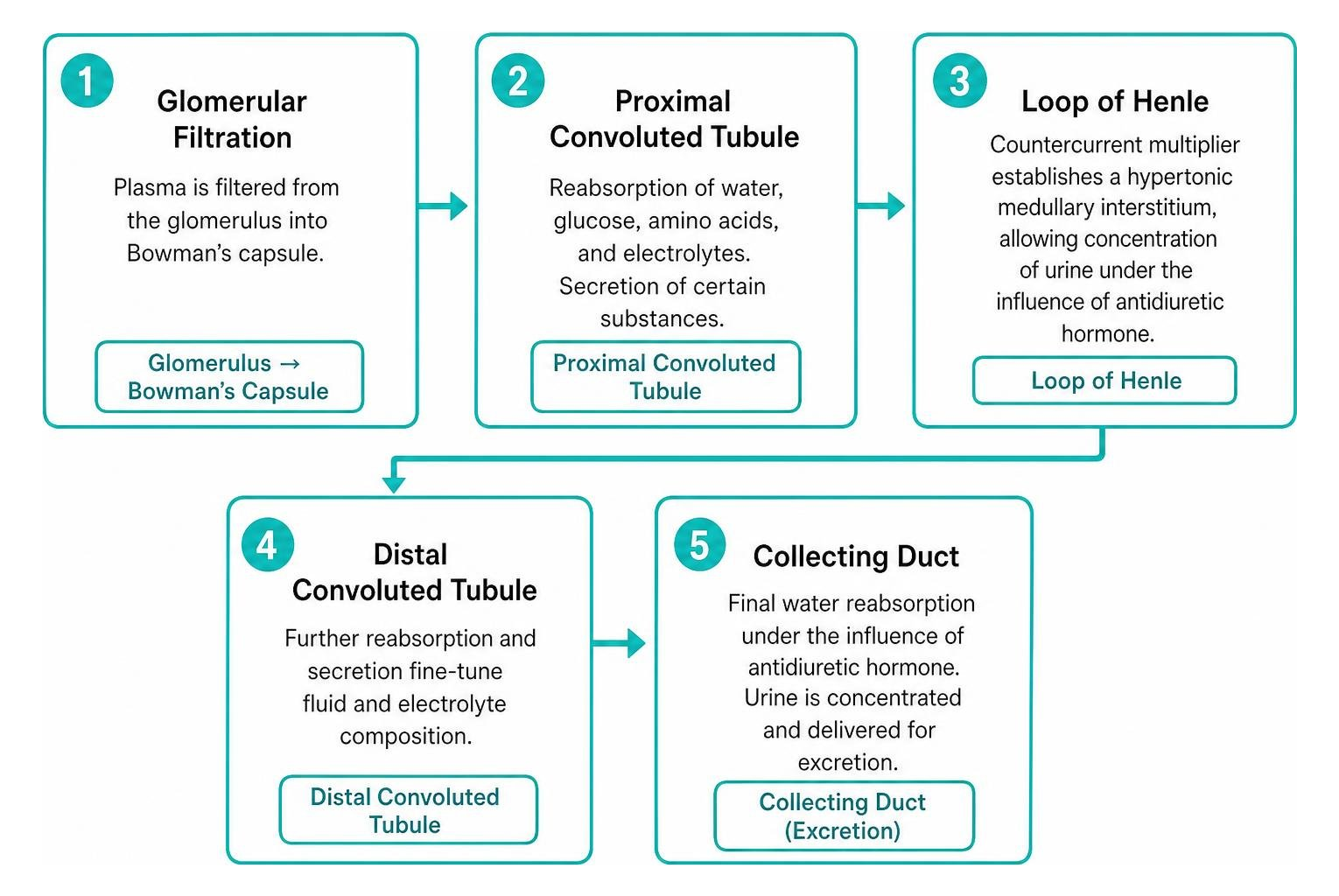
The countercurrent multiplier system in the loop of Henle establishes a hypertonic medullary interstitium that allows the concentration of urine under the influence of antidiuretic hormone. Practical foundational texts, including this practical laboratory guide to human anatomy and physiology, emphasize the physiological importance of fluid-electrolyte balance, osmotic pressures, and tubular transport dynamics in managing patient outcomes.
Physiological Mechanisms Underpinning Major Drug Classes
Connecting pharmacological agents to their exact biological target sites demystifies why medications produce both their intended therapeutic effects and their predictable side-effect profiles.
Diuretics and Tubular Transport
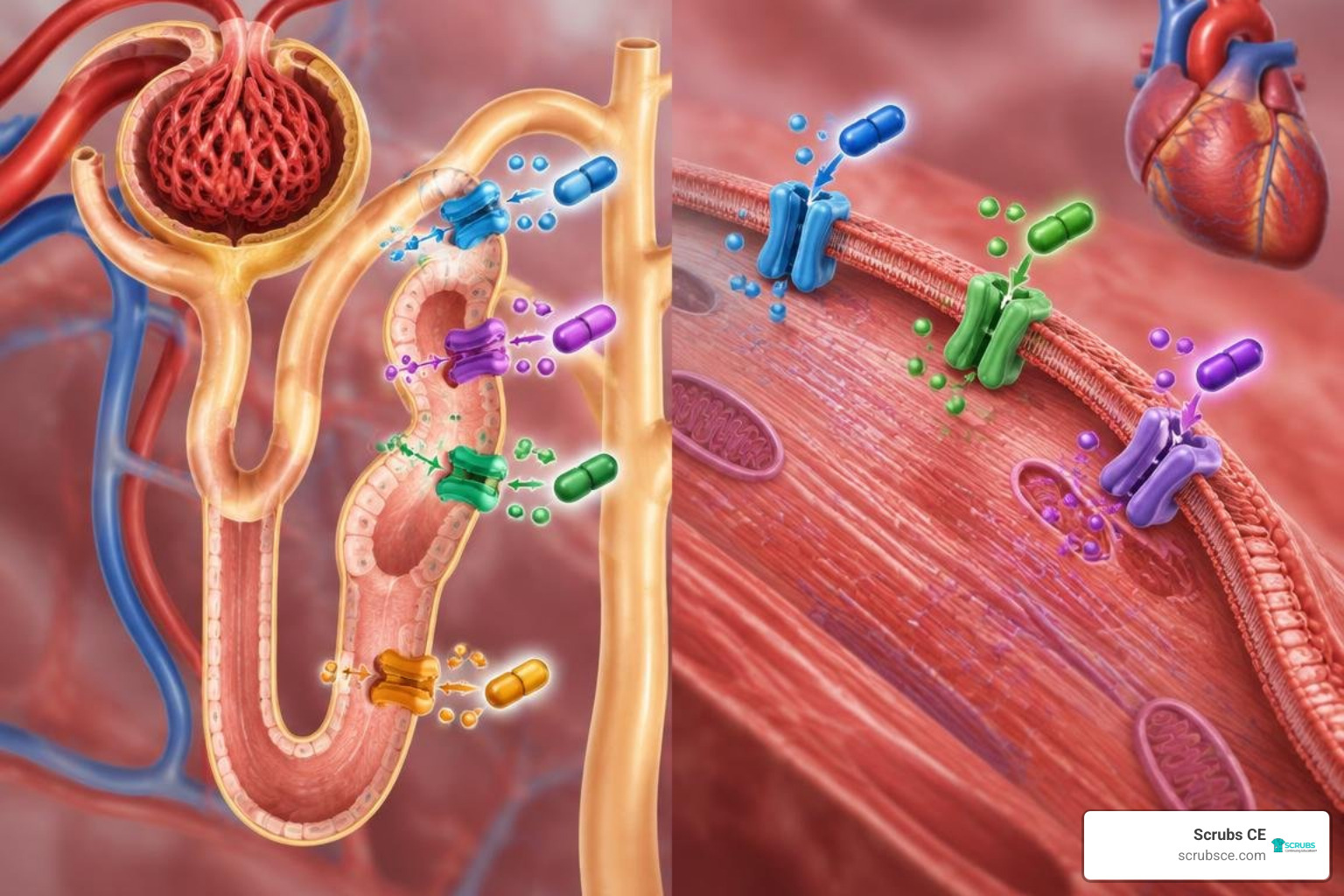
Diuretic agents alter renal electrolyte and water handling at distinct anatomical sites along the nephron:
- Loop Diuretics (e.g., Furosemide): Inhibit the sodium-potassium-two-chloride cotransporter (NKCC2) in the thick ascending limb of the loop of Henle. Because this segment normally reabsorbs 25% of filtered sodium, blocking it produces profound diuresis and natriuresis, while increasing urinary excretion of potassium, magnesium, and calcium.
- Thiazide Diuretics (e.g., Hydrochlorothiazide): Target the sodium-chloride cotransporter (NCCT) in the early distal convoluted tubule, an area responsible for 5% to 10% of sodium reabsorption. This provides sustained, mild volume reduction ideal for primary hypertension management.
- Potassium-Sparing Diuretics (e.g., Spironolactone, Amiloride): Act in the late distal tubule and cortical collecting duct. Spironolactone blocks mineralocorticoid receptors to inhibit aldosterone-driven sodium channel and pump synthesis, whereas amiloride directly blocks epithelial sodium channels (ENaC), preserving systemic potassium levels.
Beta-Blockers and Adrenergic Signaling
Beta-adrenergic antagonists competitively block catecholamines from binding to G-protein coupled beta receptors:
- Beta-1 Adrenoreceptors: Primarily located on cardiac myocytes and the sinoatrial/atrioventricular nodes, as well as juxtaglomerular cells in the kidneys. Antagonism produces negative chronotropic (decreased heart rate), negative inotropic (decreased contractility), and negative dromotropic (slowed conduction velocity) effects, while suppressing renal renin release.
- Beta-2 Adrenoreceptors: Predominantly found in bronchial smooth muscle and peripheral vascular beds. Non-selective beta-blockade (e.g., Propranolol) can trigger bronchoconstriction in patients with asthma or exacerbate peripheral vascular disease due to unopposed alpha-1-mediated vasoconstriction.
ACE Inhibitors and Angiotensin Receptors
The renin-angiotensin-aldosterone system (RAAS) regulates systemic blood pressure and fluid balance. Decreased renal perfusion triggers renin release, converting circulating angiotensinogen into angiotensin I. Angiotensin-converting enzyme (ACE), located primarily within the pulmonary vascular endothelium, rapidly cleaves angiotensin I into the potent vasoconstrictor angiotensin II.
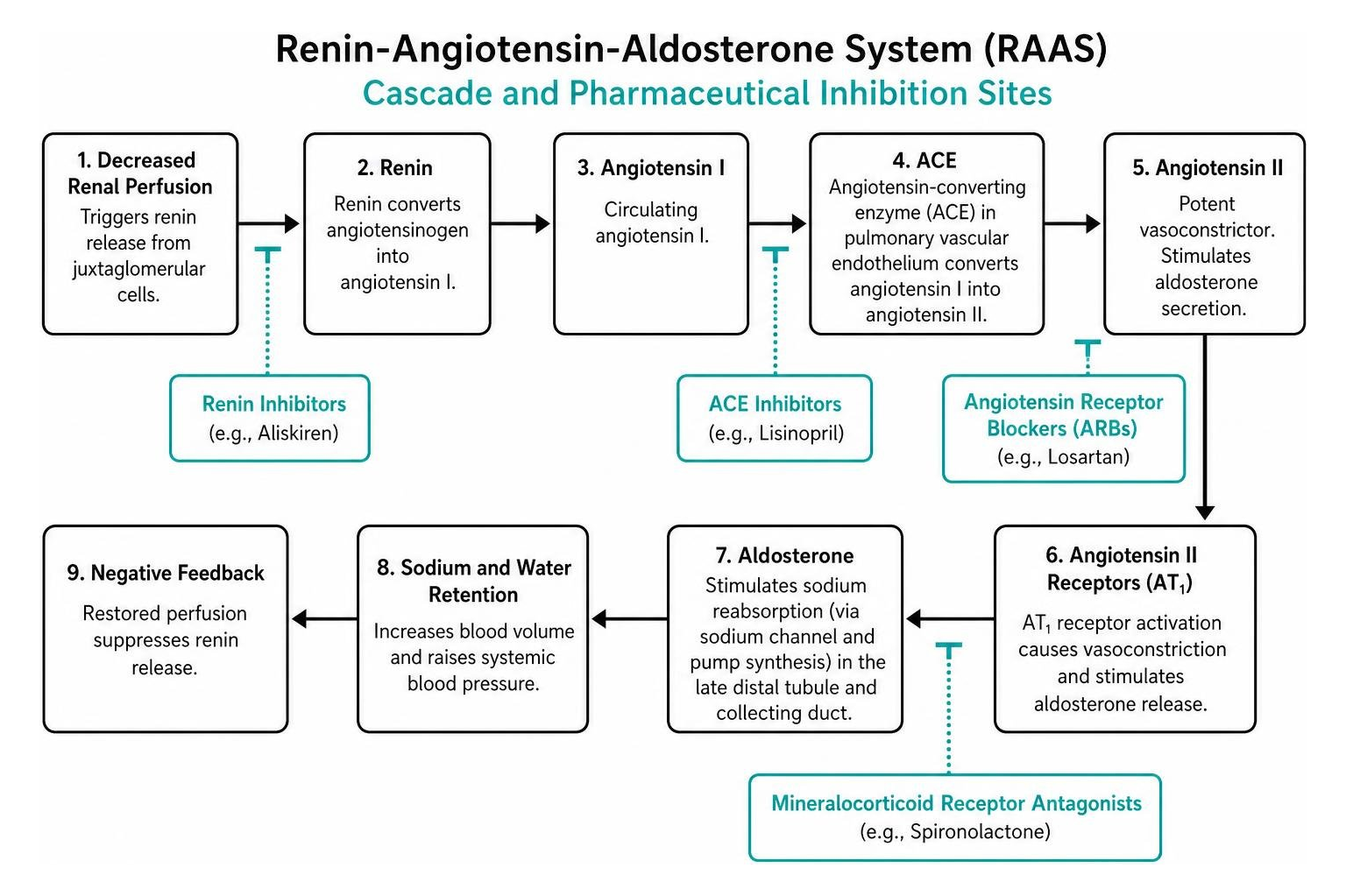
ACE inhibitors (e.g., Lisinopril) prevent the formation of angiotensin II, leading to systemic vasodilation, reduced aldosterone secretion, and preferential dilation of the efferent renal arteriole. Furthermore, because ACE is also responsible for degrading bradykinin, inhibiting this enzyme leads to bradykinin accumulation—frequently manifesting as a classic dry cough or, rarely, life-threatening angioedema.
Study Strategies and Essential Educational Resources
Mastering the human body requires moving beyond rote memorization toward conceptual integration and spatial visualization.
Students aiming to meet licensure requirements and continuing education strategies should focus on linking every physiological pathway directly to clinical drug classes.
Recommended Textbooks and Tools in Anatomy and Physiology for Pharmacists
To build a solid foundation, students and practicing clinicians benefit from high-yield reference texts and interactive software:
- Essentials of Human Physiology for Pharmacy by Laurie Kelly McCorry: Tailored specifically for pharmacy curricula, connecting physiological concepts directly to pharmacodynamics.
- Ganong’s Review of Medical Physiology: A detailed, clinically oriented reference for mastering complex cellular physiology and neurohumoral feedback loops.
- Interactive 3D Anatomy Tools: Applications featuring digital cadaveric dissections, dynamic cardiac cycle simulations, and cross-sectional tissue atlases reinforce structural relationships.
Practical Laboratory Skills and Clinical Simulations
Practical laboratory and simulation sessions help translate theoretical anatomy into daily pharmacy practice:
- Vital Signs Assessment: Mastering accurate manual blood pressure measurement, heart rate palpation, and respiratory rate checks.
- Capillary Blood Sampling: Learning aseptic fingerstick techniques for point-of-care capillary blood testing (such as international normalized ratio or blood glucose monitoring), ensuring samples avoid tissue fluid contamination.
- Electrocardiogram (ECG) Interpretation: Correlating electrical waveform abnormalities (e.g., QT prolongation, ST-segment elevation) with drug-induced channelopathies or ischemic injury.
- Patient Counseling Simulations: Explaining anatomical disease changes and medication mechanisms using clear, accessible language during mock patient interactions.
Frequently Asked Questions about Pharmacy Anatomy and Physiology
Why is anatomy and physiology required before entering pharmacy school?
Anatomy and physiology prerequisites establish the baseline biomedical vocabulary and conceptual foundation needed for professional coursework. Pharmacy school curricula move rapidly into advanced pharmacology, medicinal chemistry, and pharmacotherapy. Without a prior understanding of normal cell biology, organ histology, and systemic physiology, students would struggle to keep pace with clinical disease-management concepts.
How does pathophysiology differ from normal human physiology in pharmacy?
Normal physiology describes the baseline mechanical, physical, and biochemical functions of healthy humans maintaining steady-state homeostasis. Pathophysiology explores how specific disease states, genetic mutations, infections, and environmental stressors disrupt these normal processes. In pharmacy, pathophysiology explains why symptoms emerge, how compensatory mechanisms eventually become maladaptive, and precisely where therapeutic drugs must intervene to restore balance.
What are the best methods to retain complex physiological pathways for board exams?
The most effective study method is concept mapping—visually tracing a drug’s mechanism from its molecular receptor target, through intracellular second-messenger cascades, to whole-organ physiological changes and clinical outcomes. Combining active recall flashcards with case-based clinical scenarios ensures long-term retention far better than passive textbook reading.
Conclusion
A deep, conceptual understanding of human anatomy, baseline physiology, and disease-driven pathophysiology forms the foundation of modern clinical pharmacy practice. From calculating accurate renal dose adjustments to explaining how autonomic receptor antagonists work during a patient consultation, your ability to navigate the human body directly influences therapeutic safety and patient outcomes.
Healthcare is an evolving field, and maintaining clinical mastery is a lifelong professional commitment. Whether you are reviewing core concepts or fulfilling professional development requirements, Scrubs CE provides convenient, self-paced continuing education courses with instant certificate access. Refresh your foundational knowledge and advance your clinical expertise through our comprehensive online Anatomy and Physiology course.
References
Dias ML, Armstrong KJ, Pantos MM, Spooner JJ, Kennedy DR. “Placement and Integration of Pathophysiology, Anatomy, and Physiology Within the Doctor of Pharmacy Curriculum..” American journal of pharmaceutical education, 2020. PMCID PMC7712727. McCorry LK. “Physiology of the autonomic nervous system..” American journal of pharmaceutical education, 2007. PMCID PMC1959222.