
Everything Needed to Meet X-Ray Technician Job Requirements and Get Hired
Start Meeting X-Ray Technician Job Requirements
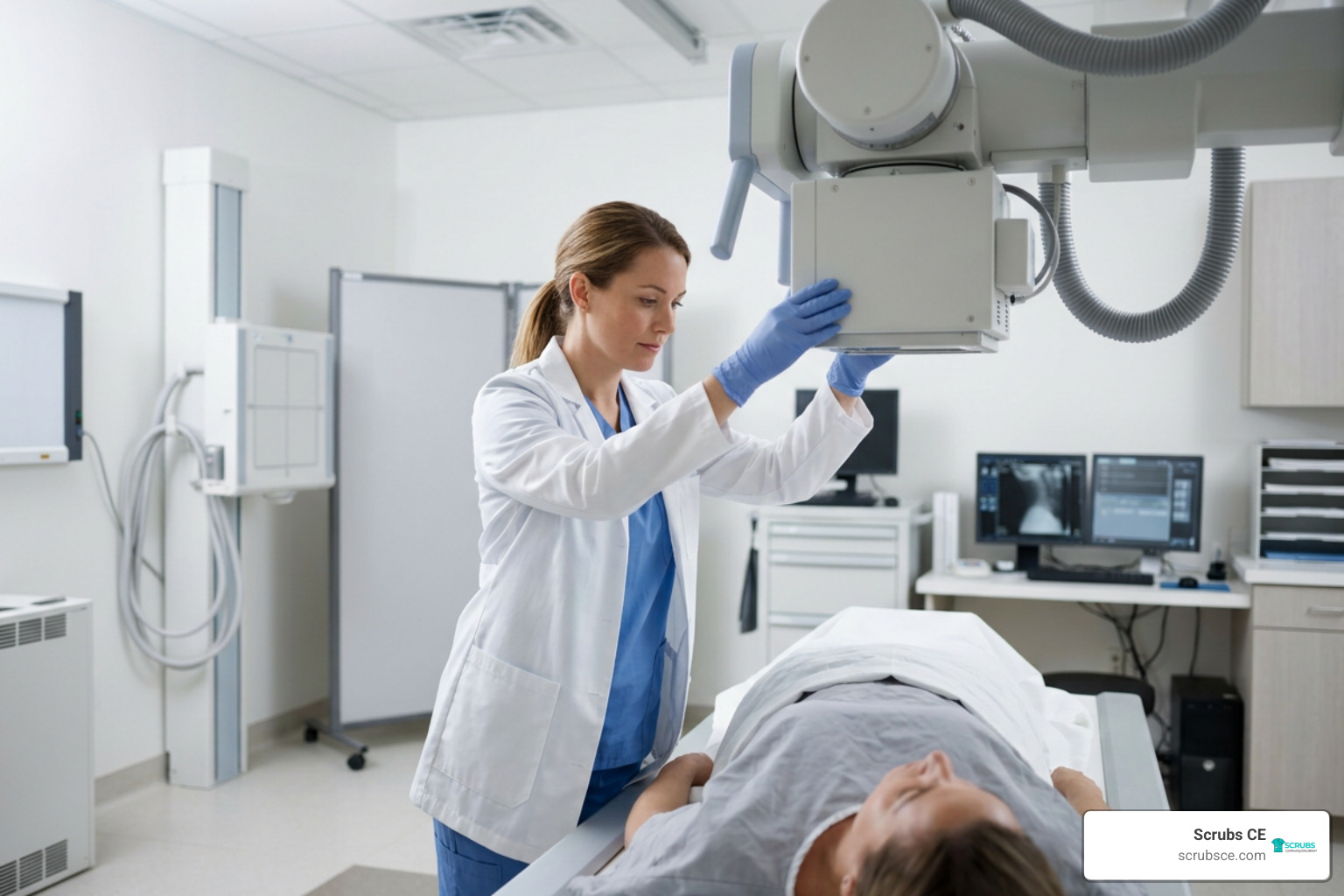
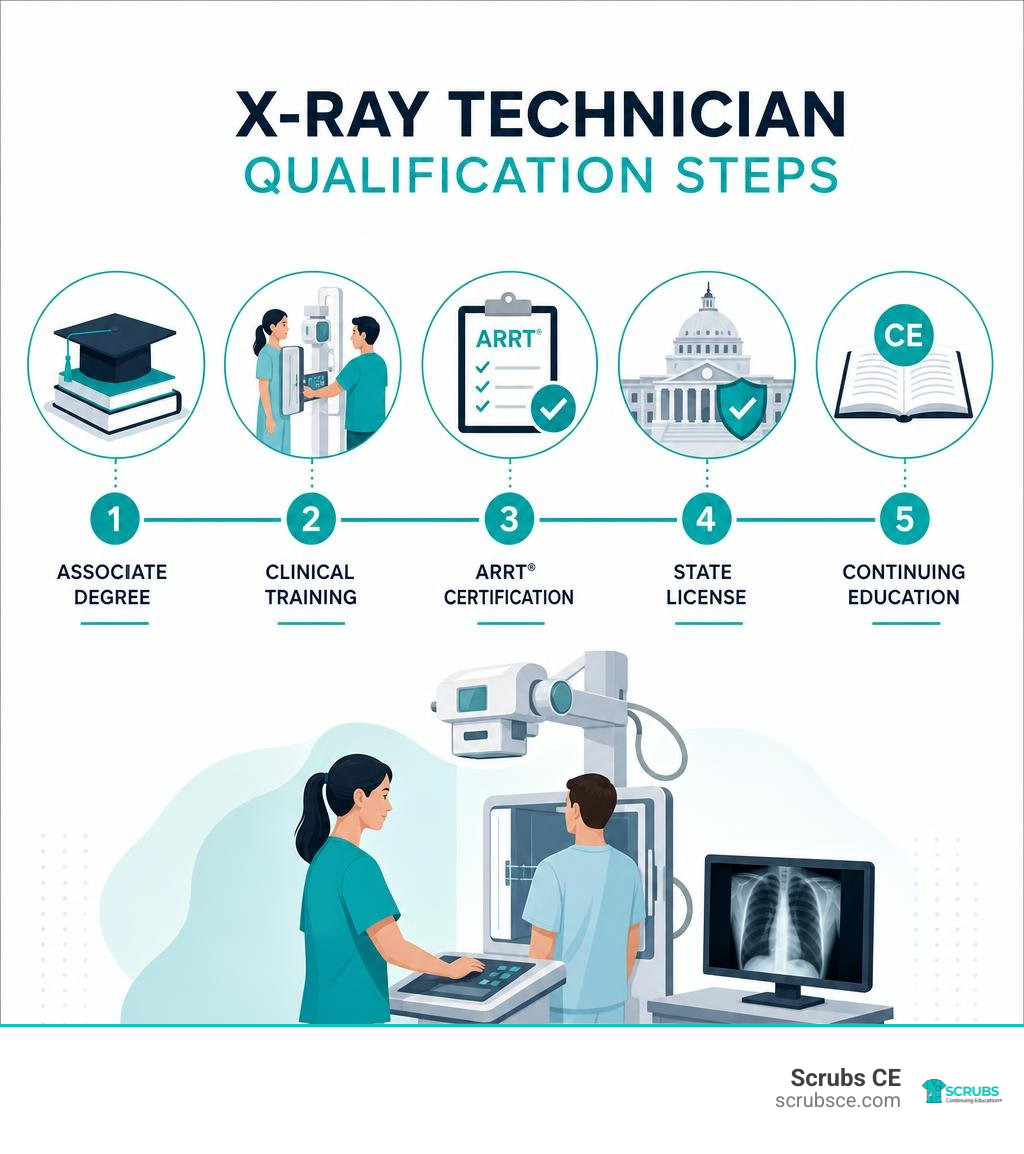
To meet x ray technician job requirements, you will usually need to:
- Earn an associate degree in radiologic technology from an accredited program.
- Complete supervised clinical training with real patients and imaging equipment.
- Pass the Radiography certification exam through ARRT®.
- Obtain a state license if your state requires one.
- Build strong skills in patient care, anatomy, image quality, and radiation safety.
X-ray technicians, often called radiologic technologists or radiographers, create diagnostic images that help physicians identify fractures, illness, and injury. The job blends technical accuracy with calm, respectful patient care. You must position patients correctly, operate digital imaging equipment, limit radiation exposure using ALARA principles, and check images before a radiologist reviews them.
The path typically takes about two to four years, depending on your degree route and state credentialing process. Once qualified, you can work in hospitals, outpatient imaging centers, urgent care clinics, orthopedic offices, and other care settings. Continuing education also matters: it helps you maintain credentials, meet license renewal rules, and move into specialties such as CT, MRI, or mammography.
I am Zita Ewert, a continuing education leader for imaging professionals and the driving force behind SCRUBS Continuing Education®. My work focuses on helping technologists understand x ray technician job requirements, maintain credentials, and access practical education that fits demanding healthcare schedules.
X ray technician job requirements word guide:
- radiologic technologist requirements
- requirements to be a radiologic technologist
- how to get a ARRT® certification
Core Clinical Duties and Primary X-Ray Technician Job Requirements
The daily routine of an imaging professional centers on clinical precision and empathetic patient management. Diagnostic radiography is much more than pushing a button; it involves setting precise technical exposure factors (kilovoltage peak and milliampere-seconds), evaluating patient pathology, and choosing the right projection angles to reveal hidden fractures, pulmonary consolidations, or internal trauma.
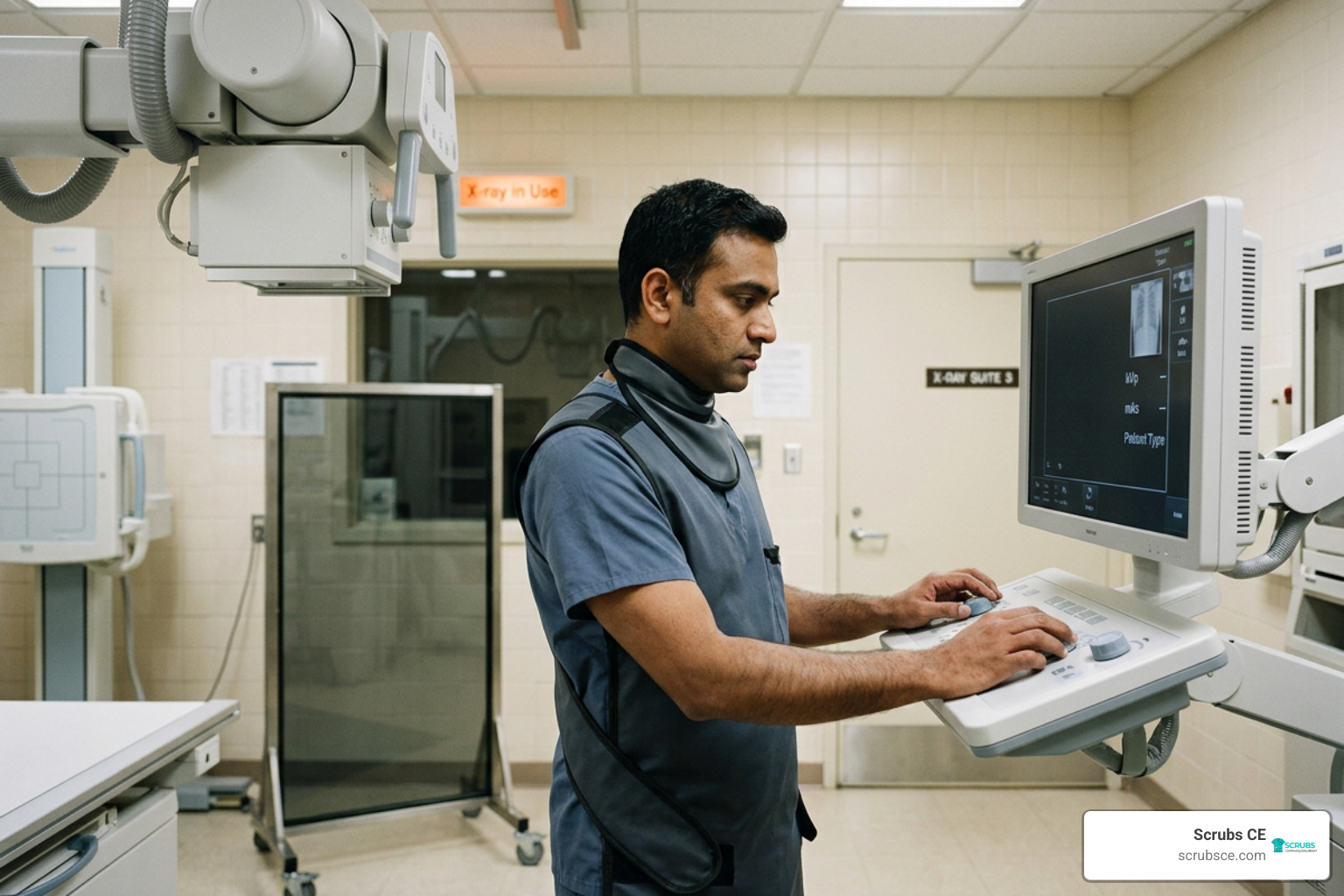
Every exam begins with thorough patient preparation. You must verify identity using two independent identifiers, confirm pregnancy status when appropriate, remove radiopaque artifacts (such as jewelry or metal snaps), and explain the procedure to reduce patient anxiety. Strict adherence to the ALARA (As Low As Reasonably Achievable) principle is mandatory across all clinical environments. Technologists protect patients and staff by utilizing beam collimation, gonadal and thyroid shielding, and precise anatomical positioning to eliminate unnecessary repeat exposures.
Once an image is acquired on a digital detector, the technician performs an immediate quality assessment. This includes checking for anatomical clipping, motion blur, foreign object artifacts, and optimal exposure index values before transmitting the study to the Picture Archiving and Communication System (PACS). Beyond direct imaging, routine maintenance tasks include conducting daily calibration checks on X-ray tubes, sanitizing examination tables between patients, and documenting procedural notes in Electronic Health Records (EHR). According to the O*NET Summary Report for Radiologic Technologists and Technicians, over 96% of imaging professionals work in environmentally controlled indoor settings with direct exposure monitoring protocols to ensure workplace safety.
Technical and Clinical X-Ray Technician Job Requirements
To produce high-quality diagnostic radiographs, you need a strong foundation across multiple clinical disciplines:
- Radiographic Anatomy & Positioning: Mastery of skeletal landmarks, joint spaces, and internal organ topography to align the central ray correctly for standard and trauma views.
- Radiation Physics & Radiobiology: Understanding X-ray photon generation, beam attenuation, scatter radiation management (using grids), and the biological cellular impacts of ionizing radiation.
- Contrast Media Protocols: Assisting radiologists during fluoroscopic examinations by preparing and administering radiopaque contrast agents (such as barium sulfate or iodinated compounds) while monitoring patients for adverse allergic reactions.
- Digital Imaging Informatics & PACS: Managing digital imaging data, adjusting window width and level for post-processing, and coordinating secure image transfers across hospital networks and EHR platforms like Epic.
Essential Physical and Interpersonal Qualities for Imaging Techs
Radiography is physically and emotionally demanding. Technologists frequently assist non-ambulatory, elderly, or pediatric patients onto exam tables, requiring physical stamina, proper body mechanics, and the ability to lift 25 to 50 pounds regularly. You must also possess excellent manual dexterity to manipulate heavy overhead X-ray tubes, position image receptors, and apply immobilization devices quickly in trauma environments.
Interpersonal communication is equally vital. Patients presenting for imaging are often experiencing significant pain, distress, or confusion. Clear, compassionate communication helps gain patient cooperation during breath-holds and uncomfortable positioning routines. Critical thinking allows you to adapt standard protocols when working with patients who have severe mobility restrictions, contractures, or acute trauma splints.
Educational Pathways and Degree Qualifications
Entering the profession requires formal post-secondary education from an accredited institution. About 73% of practicing technologists hold an associate degree, which serves as the industry standard entry qualification. When mapping out your academic path, researching everything you must know about an associate in radiologic technology ensures you choose a program recognized by the Joint Review Committee on Education in Radiologic Technology (JRCERT).
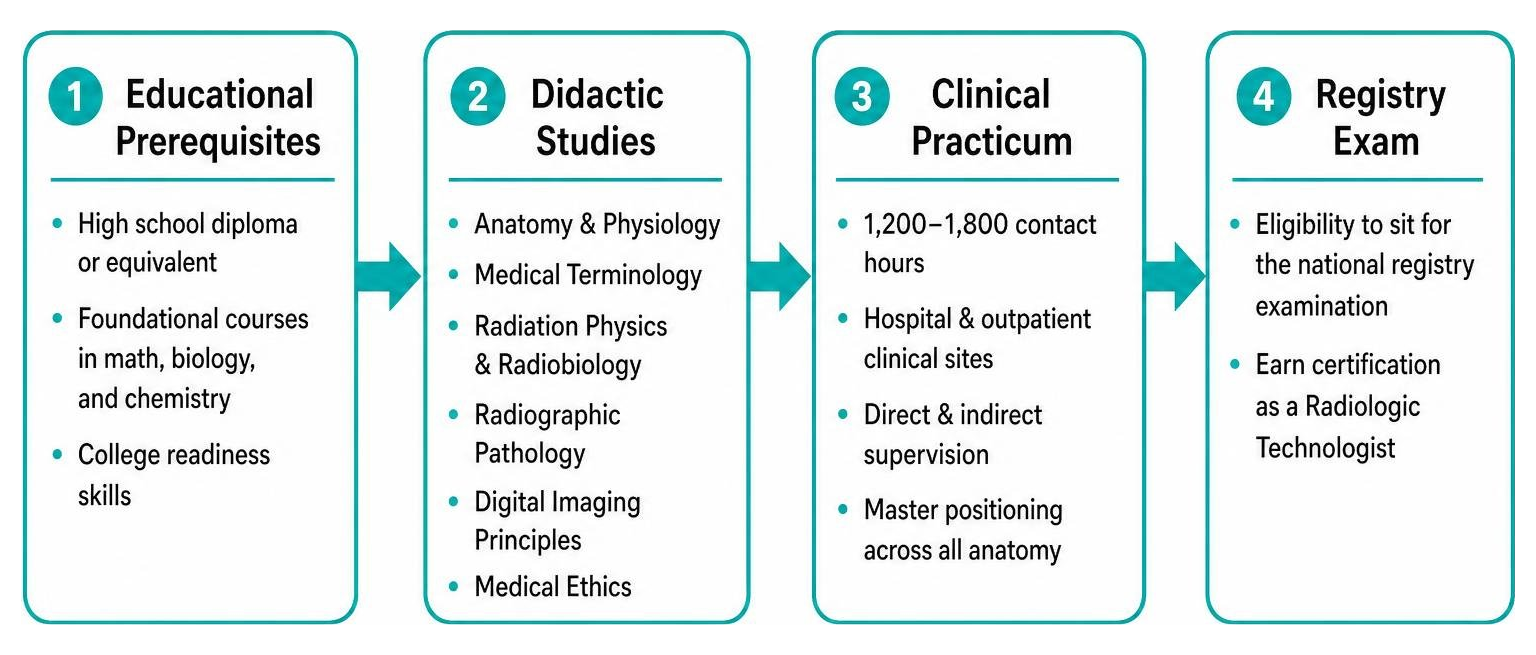
A comprehensive radiography curriculum integrates rigorous didactic coursework with extensive clinical internships:
- Didactic Studies: In-depth classroom and laboratory learning covering human anatomy and physiology, medical terminology, radiation production, radiographic pathology, digital imaging principles, and medical ethics.
- Clinical Practicum: Typically spanning 1,200 to 1,800 contact hours across hospital emergency departments, outpatient clinics, and surgery suites. Under direct and indirect supervision, students master real-world positioning competencies across all anatomical regions.
If you are exploring the initial steps of academic enrollment, reviewing how to become a radiologist technician and launch your career will help you navigate prerequisite coursework such as college algebra, biology, and physics before applying to competitive imaging programs.
Comparing Limited Scope Operators and Radiologic Technologists
The medical imaging field includes two distinct entry pathways: the fully registered Radiologic Technologist (RT) and the Limited Scope X-Ray Operator (often termed Limited X-Ray Machine Operator, or LXMO). Understanding the differences between these credentials is vital for choosing the right training route.
| Feature / Metric | Limited Scope X-Ray Operator (LXMO) | Registered Radiologic Technologist (RT) |
|---|---|---|
| Typical Education | 6–12 month diploma or certificate | 2-year Associate or 4-year Bachelor’s degree |
| Didactic Hours | 150–200 core classroom hours | 60+ semester credit hours |
| Clinical Scope | Specific anatomical regions (e.g., chest, extremities, podiatry) | Full-body diagnostic radiography, fluoroscopy, surgical imaging |
| National Credential | State-specific limited permit / ARRT® Limited Scope Exam | ARRT® Registered Technologist in Radiography: R.T.(R) |
| Modality Advancement | Restricted; cannot cross-train into advanced modalities | Eligible for post-primary credentials (CT, MRI, Mammography, IR) |
| Work Settings | Urgent care clinics, private physician offices, orthopedic centers | Level I trauma hospitals, outpatient imaging centers, specialty surgical suites |
Limited scope programs offer a rapid entry point into healthcare, focusing on targeted body areas. As outlined in the ASRT® Limited X-Ray Machine Operator Curriculum, students gain foundational instruction in basic radiation safety and selected projections. To explore whether a restricted clinical scope fits your career goals, read beyond the full scope: what is a limited scope x-ray technician?.
National Certification and State Credentialing Standards
Graduating from an accredited academic program is the primary prerequisite for national credentialing. The AMERICAN REGISTRY OF RADIOLOGIC TECHNOLOGISTS® (ARRT®) sets the gold standard for clinical competency in the United States. To earn registration, candidates must complete an ARRT®-approved program, verify all clinical mandatory and elective positioning competencies, and pass a thorough ethics pre-application review.
Before registering for your national examination, reviewing what are the requirements to be a radiologic technologist helps ensure all institutional paperwork is in order. For a structured breakdown of paperwork, clinical sign-offs, and deadlines, use this ultimate checklist for Radiology certification requirements.
State Licensing and ARRT® X-Ray Technician Job Requirements
The ARRT® primary pathway examination in Radiography is a computer-based test administered at Pearson VUE testing centers. It evaluates candidates across four main content categories:
- Patient Care: Patient interactions, pharmacology, contrast administration, vital signs, and emergency medical situations.
- Safety: Radiation physics, radiobiology, radiation protection for patients and personnel, and dose reduction techniques.
- Image Production: Technical exposure factors, image acquisition protocols, digital detector characteristics, and image quality evaluation.
- Procedures: Anatomical positioning, pathology, projection criteria, and central ray alignment for all body structures.
Beyond passing the national registry exam, technologists must obtain a state diagnostic Radiology license in most jurisdictions. State health departments (such as the California Department of Public Health or the New York State Department of Health) enforce specific licensing regulations, fees, and fingerprint background checks. Candidates preparing for testing should consult our step by step guide to x-ray tech certification requirements and read a comprehensive guide to radiologic technologist certification requirements for comprehensive state filing details.
Continuing Education and Specialty Advancements
Maintaining professional credentials requires ongoing education. To retain active registration with the ARRT® and keep state licenses current, registered technologists must earn 24 Continuing Education (CE) credits every two-year biennial cycle. Technologists must also comply with the ARRT® Continuing Qualifications Requirements (CQR) process every 10 years to identify and address any knowledge gaps.
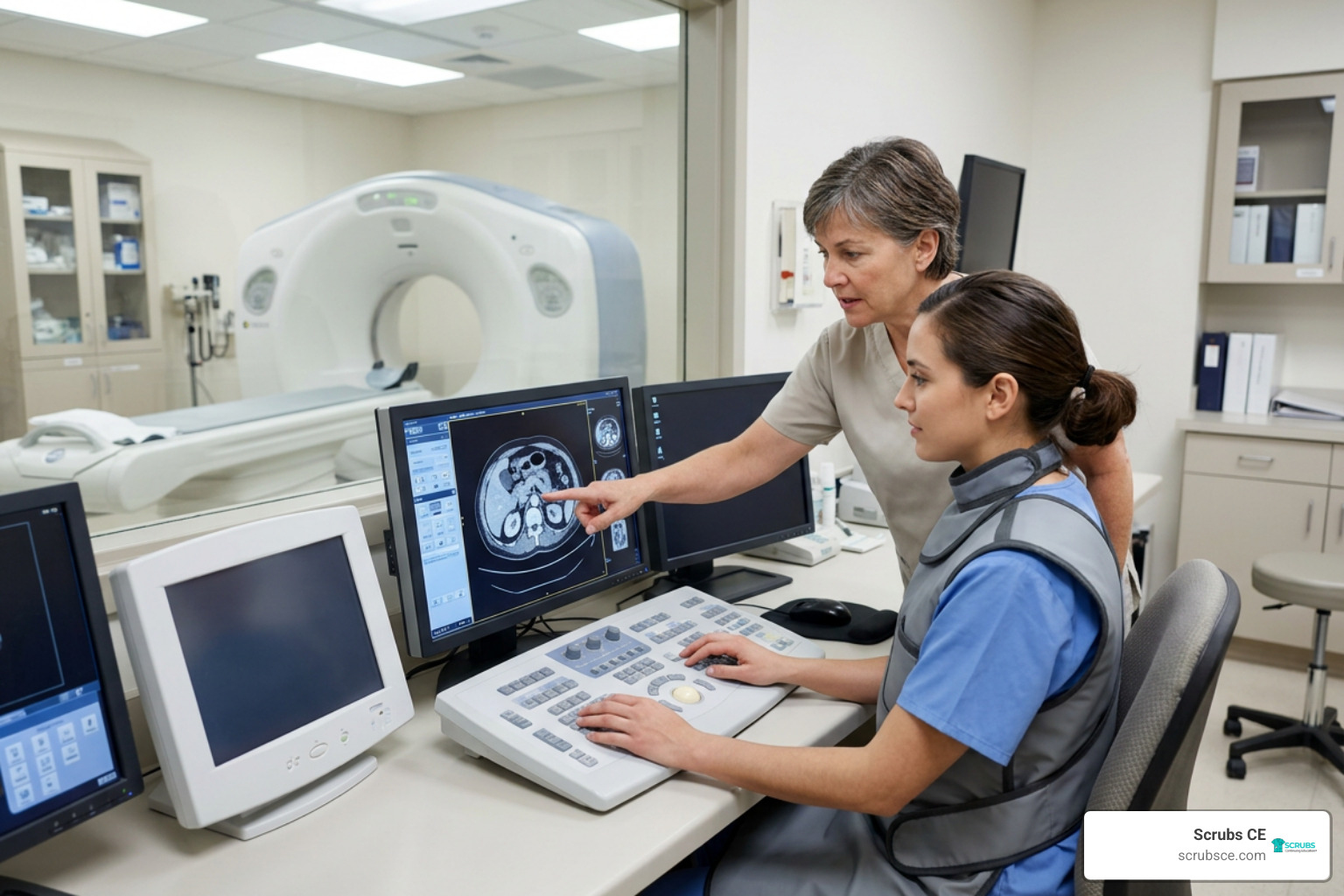
Holding a primary credential in Radiography opens direct pathways into higher-paying advanced imaging modalities through post-primary certification:
- Computed Tomography (CT): Operating advanced multi-slice helical scanners to generate high-resolution cross-sectional images for trauma, oncology, and stroke assessments.
- Magnetic Resonance Imaging (MRI): Utilizing strong magnetic fields and radiofrequency pulses to visualize complex soft tissue structures, neurological pathways, and musculoskeletal injuries.
- Mammography: Performing specialized low-dose breast imaging examinations for screening and early diagnostic detection of tissue abnormalities.
- Vascular-Interventional Radiography: Assisting interventional radiologists during minimally invasive therapeutic procedures such as angioplasty, stent placement, and embolization.
Workplace Settings, Compensation, and Career Outlook
Radiologic technologists work in a broad range of clinical environments, each offering unique workflows, schedule flexibility, and operational paces:
- Hospital Radiology Departments & Level I Trauma Centers: Fast-paced settings requiring 24/7 staffing, on-call shifts, bedside mobile radiography in intensive care units, and rapid trauma imaging in emergency suites.
- Outpatient Diagnostic Imaging Centers: Scheduled ambulatory appointments focusing on high-throughput general radiography, fluoroscopy, and advanced cross-sectional screenings.
- Urgent Care Centers & Orthopedic Clinics: Collaborative clinical roles where technicians frequently combine diagnostic X-ray procedures with basic patient triage and administrative charting.
- Mobile Imaging Units: Bringing diagnostic digital X-ray services directly to long-term nursing facilities, rural community health outposts, or industrial work sites.
According to data published by the U.S. Bureau of Labor Statistics Occupational Outlook, the median annual wage for radiologic technologists and technicians was $77,660 in May 2024, with overall earnings typically ranging between $64,910 and $121,420 depending on clinical setting, geography, and shift differentials. Modality cross-training provides an immediate earnings boost; for instance, MRI technologists earned a median annual wage of $88,180 in May 2024.
The employment outlook for radiologic and MRI technologists is projected to grow by 5% from 2024 to 2034, faster than the average for all occupations, resulting in approximately 15,400 projected job openings each year. Regional demand can be even higher; in New York State, radiologic technologist positions are projected to increase by 27% between 2022 and 2032, driven by an aging demographic and greater utilization of diagnostic imaging in preventive medicine.
Frequently Asked Questions About Radiology Careers
Can you work as an X-ray technician without a college degree?
You can work in a limited imaging capacity without an associate degree by completing a state-approved certificate program to become a Limited Scope X-Ray Operator (LXMO). However, full ARRT® certification as a Registered Radiologic Technologist requires at least an associate degree from an accredited institution. While the associate degree does not have to be specifically in radiologic sciences, you must also complete an ARRT®-approved radiography program to qualify for the national registry exam.
How long does it take to complete training and get certified?
Completing an associate degree in radiologic technology typically takes 2 years (approximately 24 to 25 months), which includes didactic coursework and required clinical contact hours. Once you graduate, scheduling and taking the ARRT® certification exam through Pearson VUE usually takes 30 to 45 days. State licensing processing times range from 4 to 8 weeks depending on the state health department’s application queue.
What is the primary difference between an X-ray technician and a radiologic technologist?
The terms are often used interchangeably in casual conversation, but they represent distinct professional scopes. An X-ray technician (or limited operator) generally completes a shorter diploma program and performs basic radiographs on limited body regions (such as the chest or extremities). A radiologic technologist completes a comprehensive collegiate degree, earns national certification through the ARRT®, and is authorized to perform complex full-body imaging, surgical fluoroscopy, trauma radiography, and cross-train into advanced modalities like CT, MRI, and interventional Radiology.
Conclusion
Building a successful career in medical imaging starts with meeting academic prerequisites, completing hands-on clinical practicums, and passing national registry examinations. By mastering radiation safety, anatomical positioning, and compassionate patient care, you secure a vital, high-demand role on the frontline of modern healthcare diagnosis.
Once you enter the workforce, maintaining your credentials through structured continuing education is essential for ongoing licensure compliance and career mobility. At Scrubs CE, we provide convenient, self-paced courses with instant certificate generation to help you meet ARRT® and state renewal requirements without disrupting your clinical shift schedule. Explore our full library of accredited Radiology courses to fulfill your biennial CE requirements and take the next step toward professional specialty advancement.